
Category: News
News and Updates
-
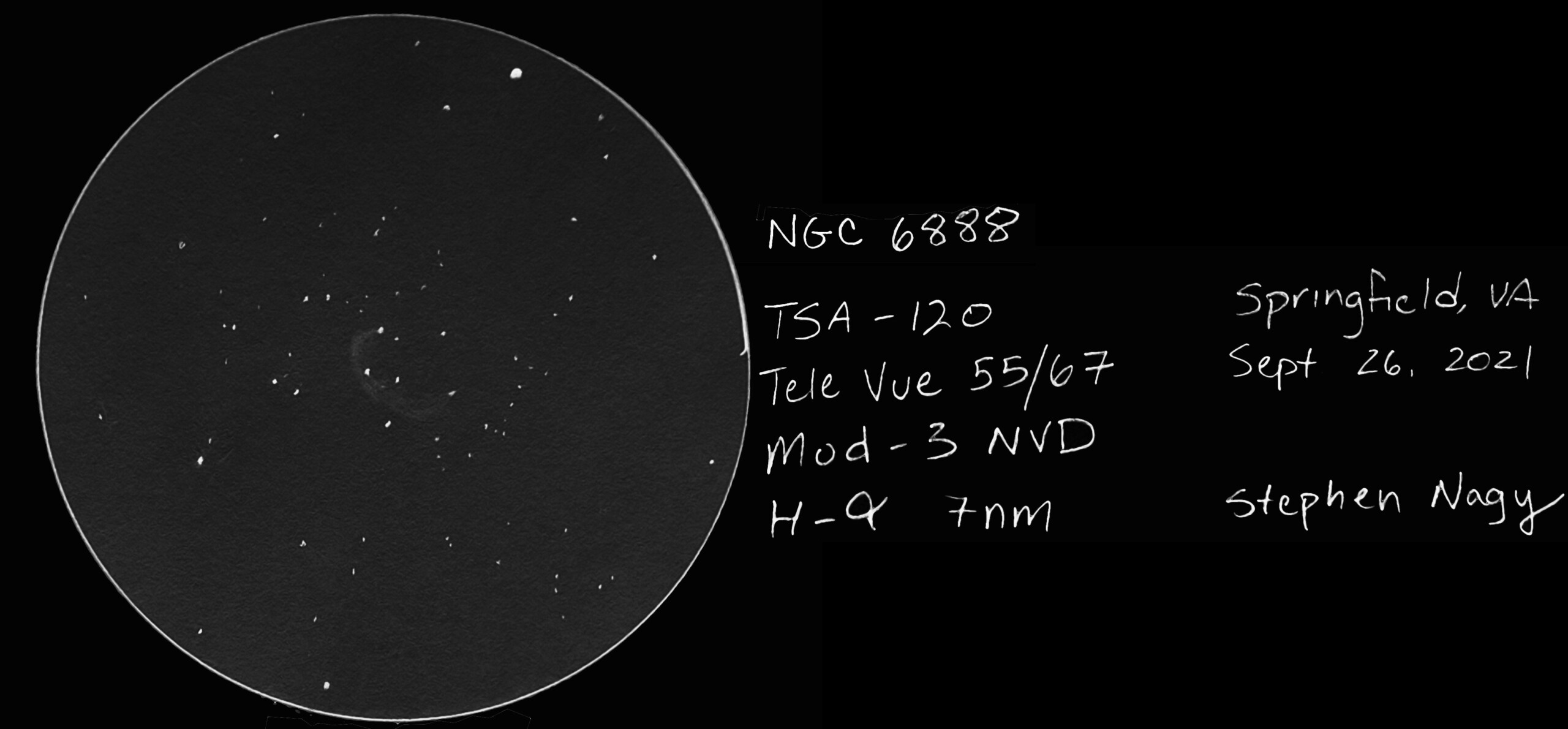
NOVAC Member Sketches
Sketching the view seen through a telescope eyepiece has a long history going back to the earliest use of telescopes to observe the heavens, most famously with the sketches and notes taken by Galileo beginning around 1609. Sketching while observing is still popular despite the common use of cameras and cell phones to capture the scene in the eyepiece. Drawing has the effect of making one really look at the object, you can try this with any common scene around you: sketch a tree leaf, cats Read more […] -
October 30 – Star Gaze 2021
[fusion_builder_container hundred_percent=”no” equal_height_columns=”no” menu_anchor=”” hide_on_mobile=”small-visibility,medium-visibility,large-visibility” class=”” id=”” background_color=”” background_image=”” background_position=”center center” background_repeat=”no-repeat” fade=”no” background_parallax=”none” parallax_speed=”0.3″ video_mp4=”” video_webm=”” video_ogv=”” video_url=”” video_aspect_ratio=”16:9″ video_loop=”yes” video_mute=”yes” overlay_color=”” video_preview_image=”” border_color=”” Read more […] -
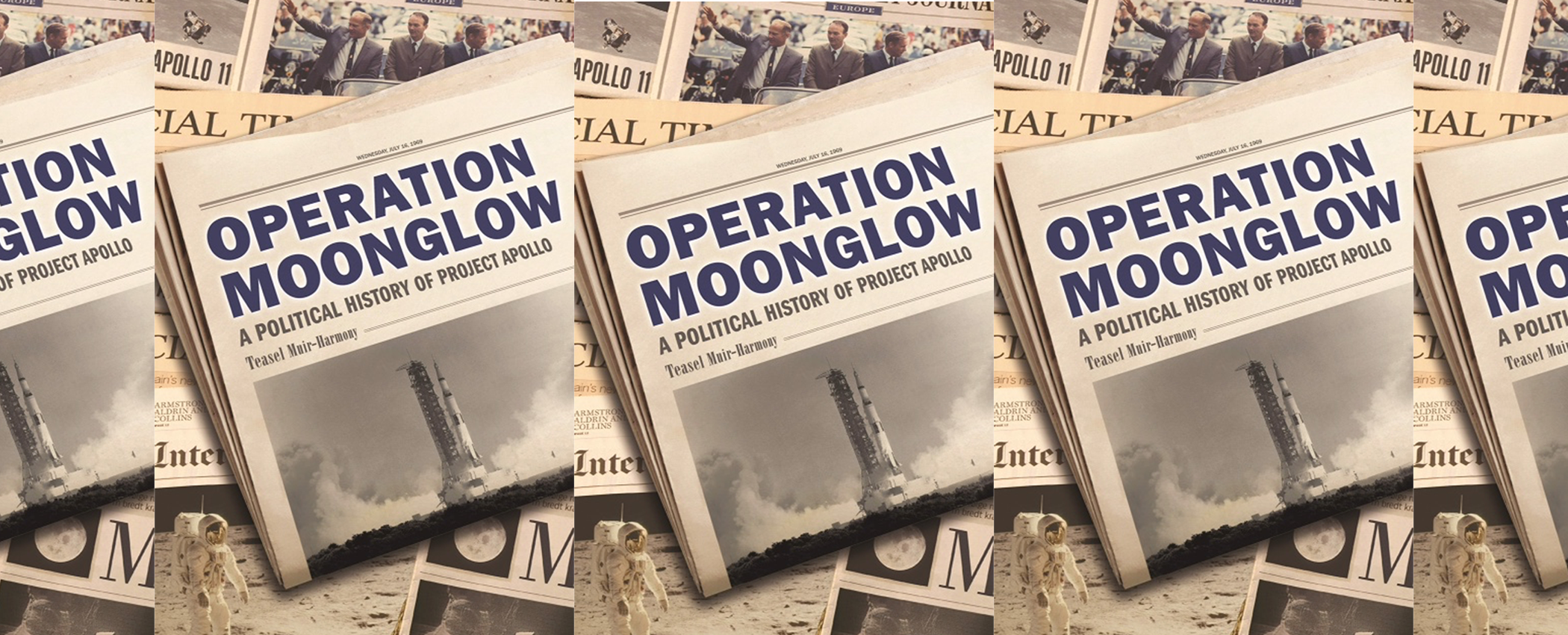
October 10 – Public Monthly Meeting – Operation Moonglow: A Political History of Project Apollo
Operation Moonglow: A Political History of Project Apollo Dr. Teasel Muir-Harmony, PhD Sunday, October 10, 2021 7:30 PM to 9:00 PM EST Online event meet.google.com/osh-bcyd-gti Monthly Meeting – Public Invited Abstract: On July 20th, 1969, over half the world’s population witnessed Neil Armstrong’s first step on the Moon. While often remembered as a scientific and technological feat, the ambitions of the Apollo program aimed far beyond the Moon. Through spaceflight, America Read more […] -
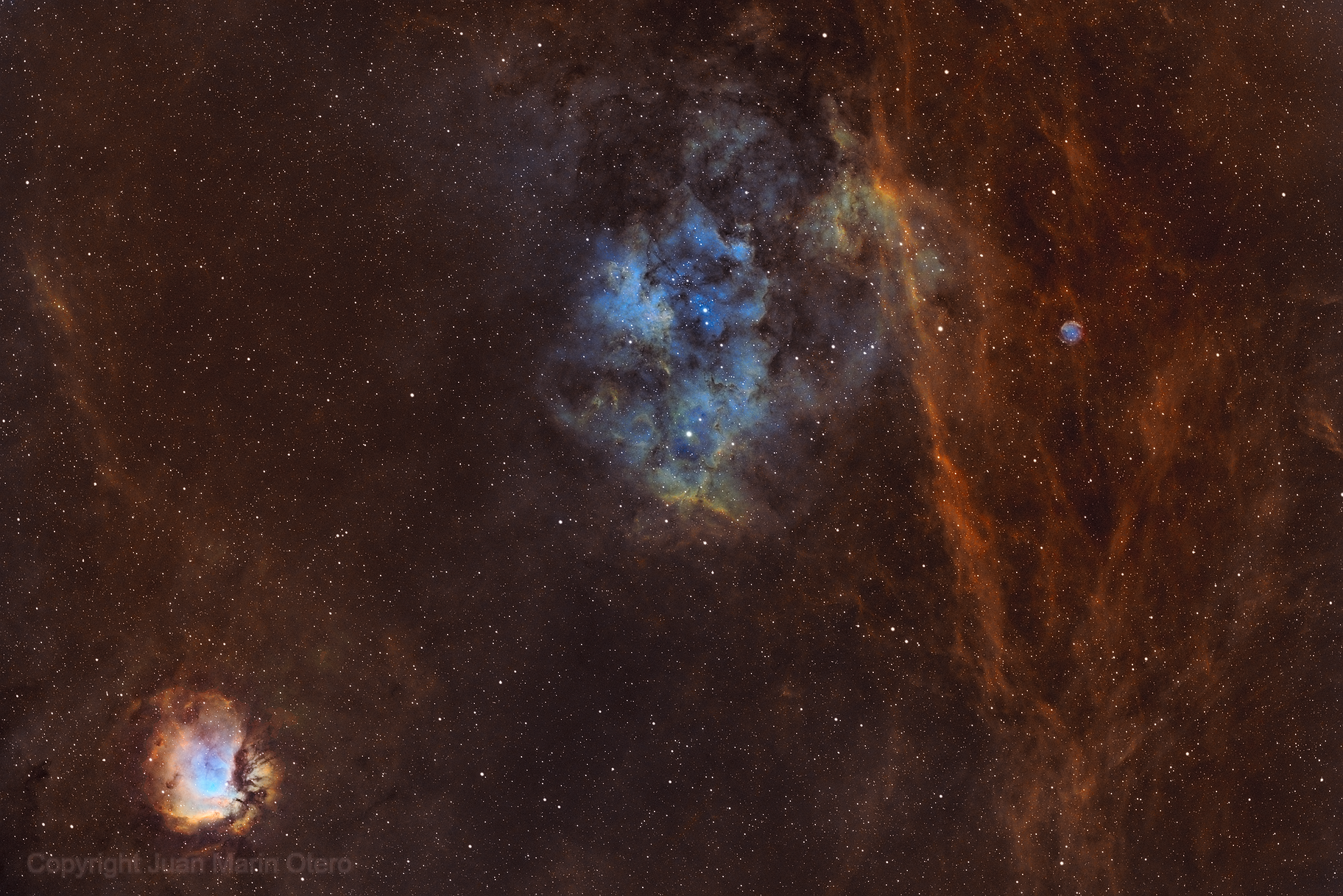
NOVAC imager Juan Marin Otero captures Abell 71 region in Cygnus
This region is in a very well known area of the sky, but its neighbors draw more attention from astrophotographers. Close to Deneb, at the opposite side of the North America and Pelican nebulae, lies this emission nebula complex. The whole region is quite strong in Ha, and very faint in SII and OIII. There is quite a bit going on in this image, the framing was chosen this way on purpose to try and capture the three following objects in one scene: Sh2-115 at the center of the image is Read more […] -
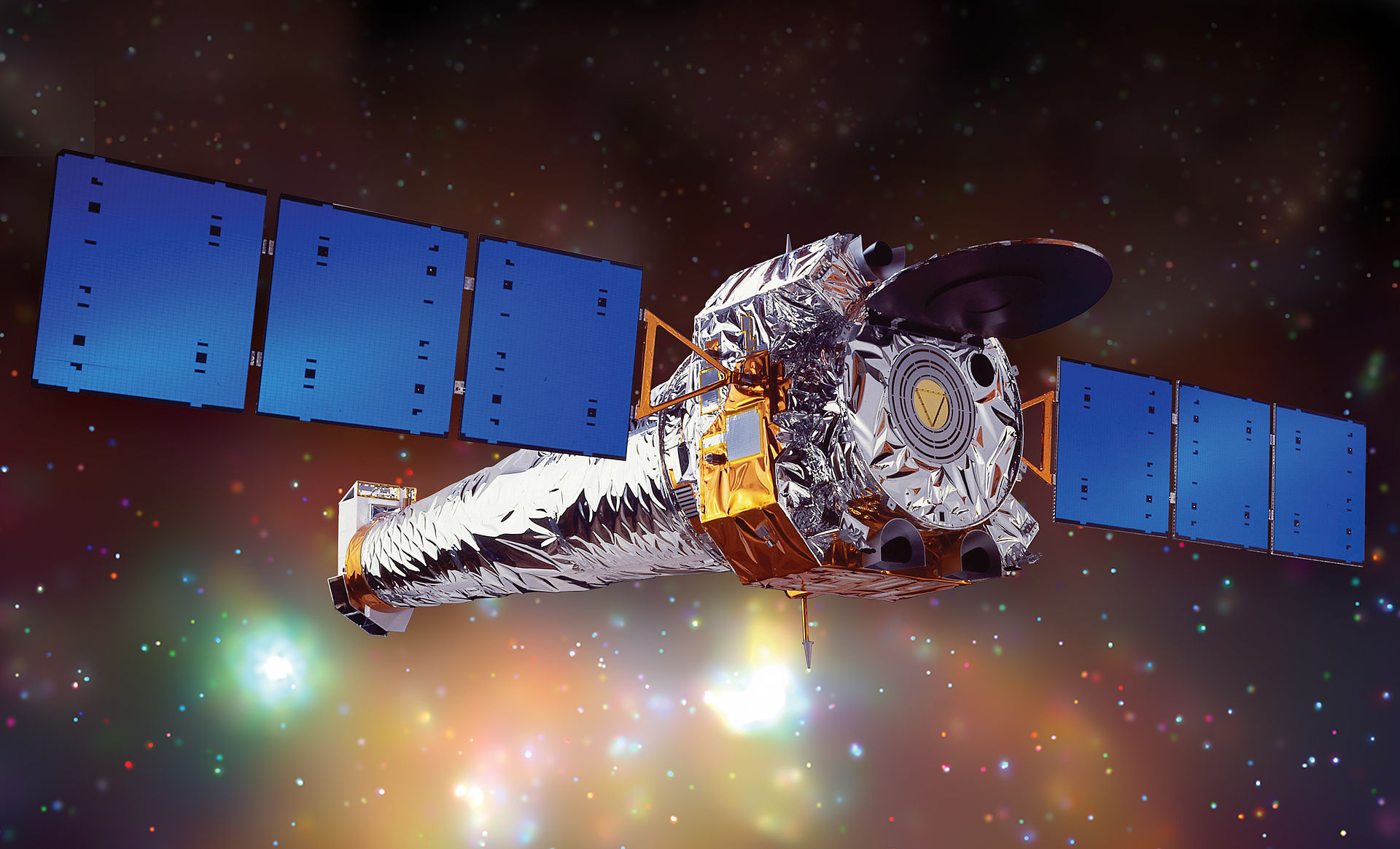
September 12 – Public Monthly Meeting – Astronomy with X-rays: How, Where, and Most Importantly Why?
Astronomy with X-rays: How, Where, and Most Importantly Why? Dr. Randall Smith Sunday, September 12, 2021 7:30 PM to 9:00 PM EST Online event meet.google.com/osh-bcyd-gti Monthly Meeting – Public Invited Abstract: X-ray astronomy began in 1962 when Riccardo Giacconi and his team launched a sounding rocket with an X-ray detector designed to look at the Moon – and unexpectedly found a far brighter source in Scorpius they called Sco X-1. Generating X-rays requires energetic processes – big Read more […] -
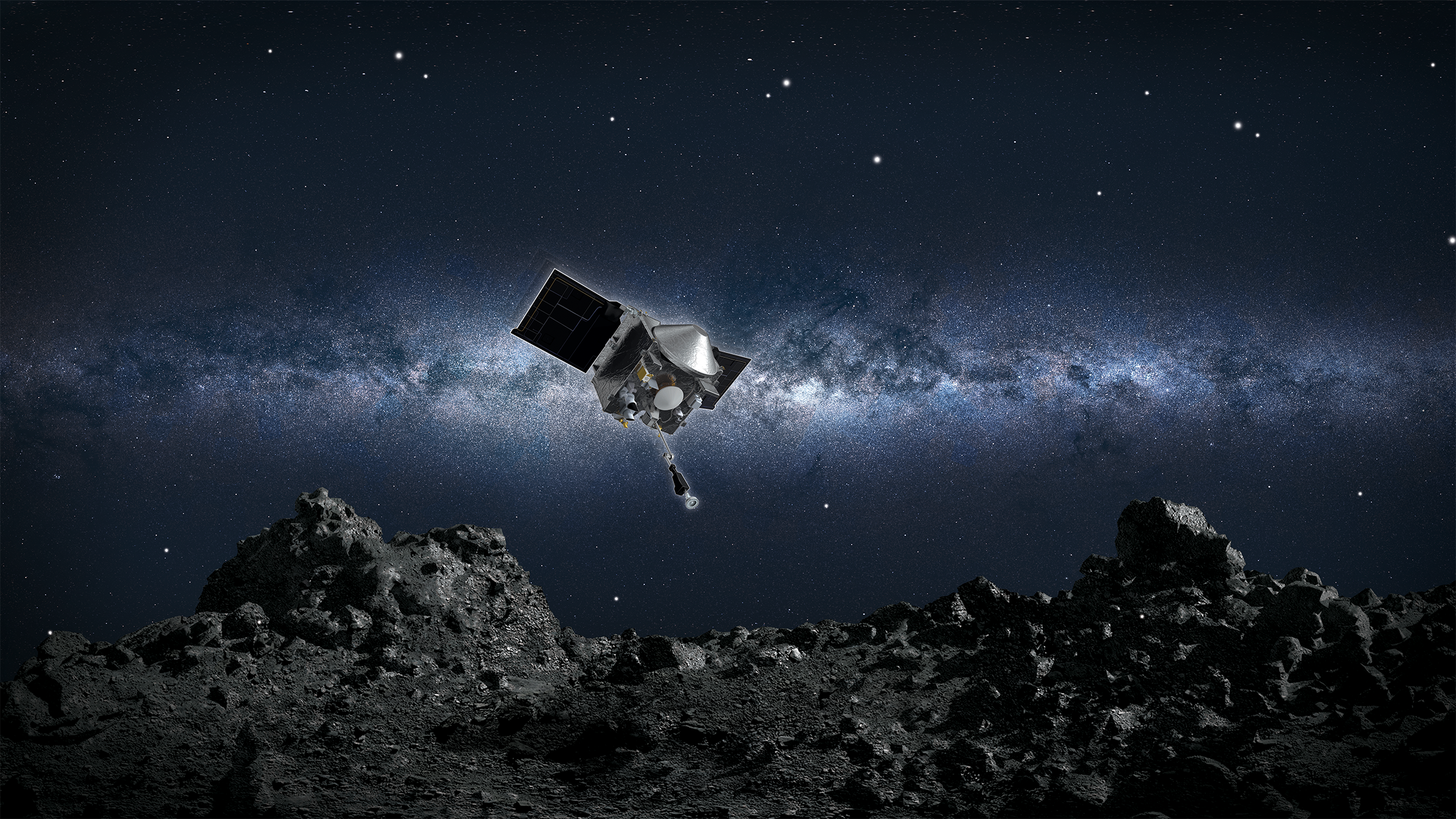
August 8 – Public Monthly Meeting – To Bennu and Back Again: the OSIRIS-REx Sample Return Mission
To Bennu and Back Again: the OSIRIS-REx Sample Return Mission Are we alone or do we share our solar system and galaxy with other forms of life? And how widespread are advanced civilizations with whom we could communicate? Dr. Hannah Kaplan Sunday, August 8, 2021 7:30 PM to 9:00 PM EST Online event meet.google.com/osh-bcyd-gti Monthly Meeting – Public Invited Abstract: On October 20, 2020, the OSIRIS-REx spacecraft successfully collected a sample from the surface of near-Earth asteroid Read more […] -
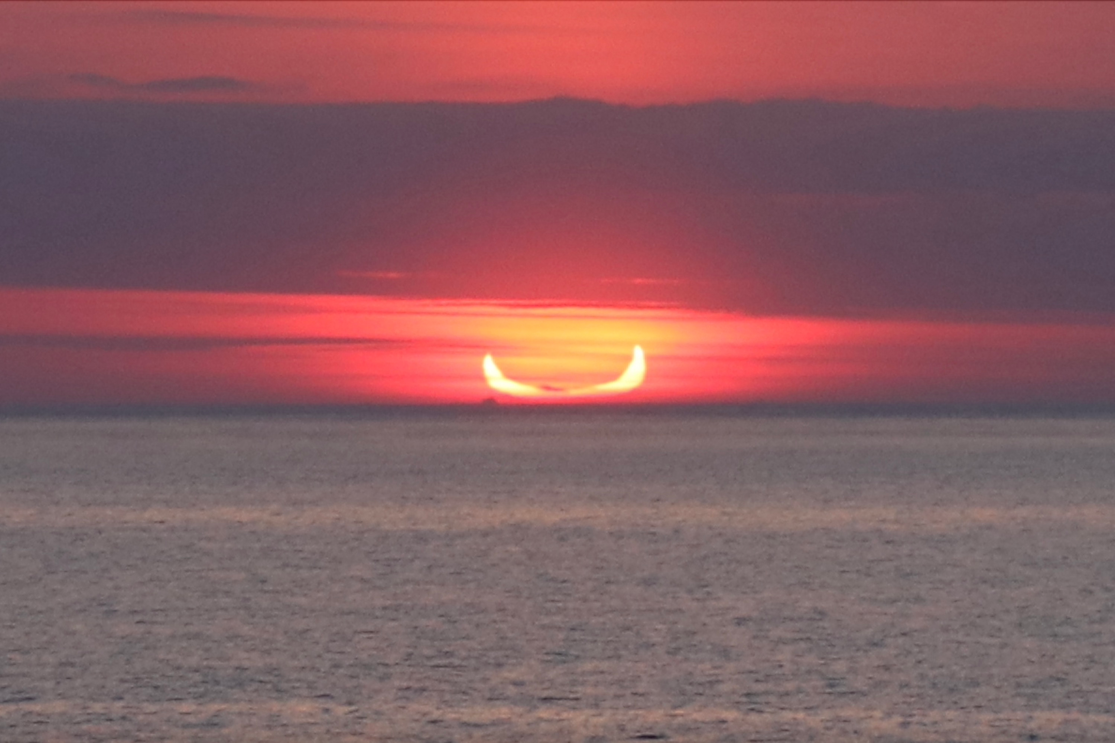
NOVAC eclipse chaser Lloyd Franklin captured this stunning image of the Ring of Fire eclipse on 10 June!
Lloyd Franklin captured a portion of the Annular Solar Eclipse (commonly known as a “Ring of Fire”), on 10 June 2021. The path of annularity only traversed parts of Canada, Greenland, and Northern Russia, and wasn’t easy to get to, but with some research Lloyd found one of the most interesting locations to view the partial eclipse. Long Branch, New Jersey offered the opportunity to view the Sun rising from the Atlantic Ocean with “devil horns” due to being ~80% eclipsed Read more […] -
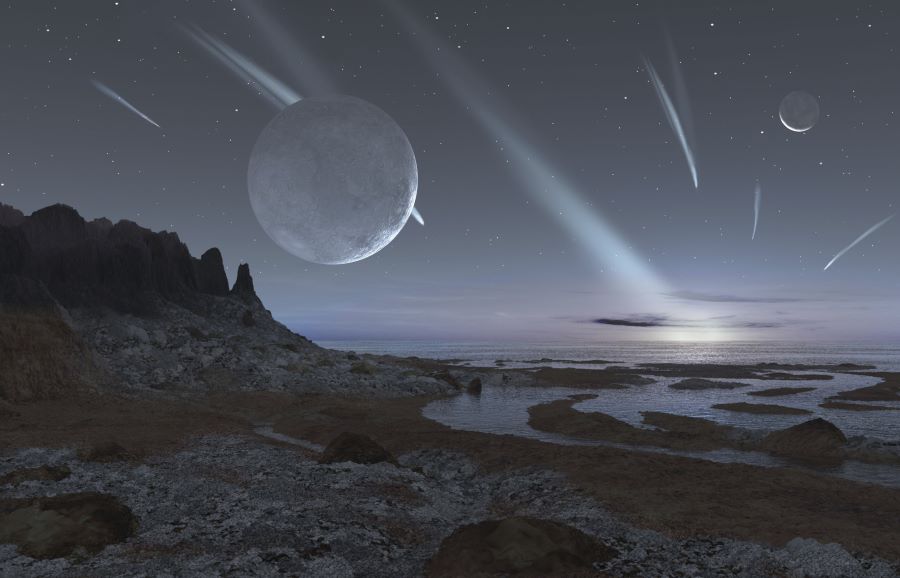
July 11 – Public Monthly Meeting – Searching for Life on Other Worlds
Searching for Life on Other Worlds Are we alone or do we share our solar system and galaxy with other forms of life? And how widespread are advanced civilizations with whom we could communicate? Robert Naeye Sunday, July 11, 2021 7:30 PM to 9:00 PM EST Online event meet.google.com/osh-bcyd-gti Monthly Meeting – Public Invited Abstract: Are we alone or do we share our solar system and galaxy with other forms of life? And how widespread are advanced civilizations with whom we could communicate? Right Read more […] -
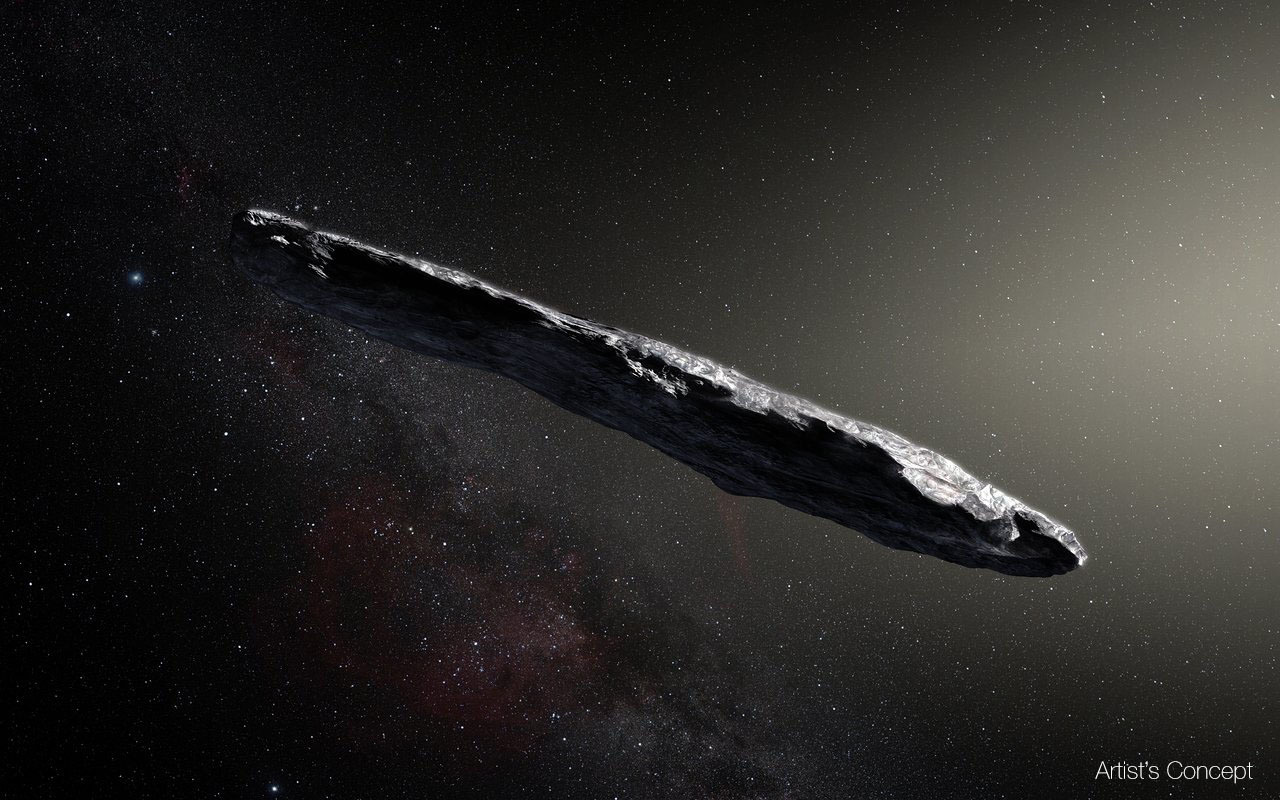
June 13 – Public Monthly Meeting – ‘Oumuamua: Our Solar System’s First Known Interstellar Visitor
‘Oumuamua – Our Solar System’s First Known Interstellar Visitor The discovery of ‘Oumuamua (1I/2019/U1) represented our first detection of a solar system object with an origin that was definitely outside of our solar system. Its name comes from Hawaiian meaning “first messenger from afar” yet deciphering its message has proved difficult and controversial. ‘Oumuamua was discovered by the Pan-STARRS telescope at the Haleakala Observatory in Hawaii on October 19, 2017, when it had already Read more […] -
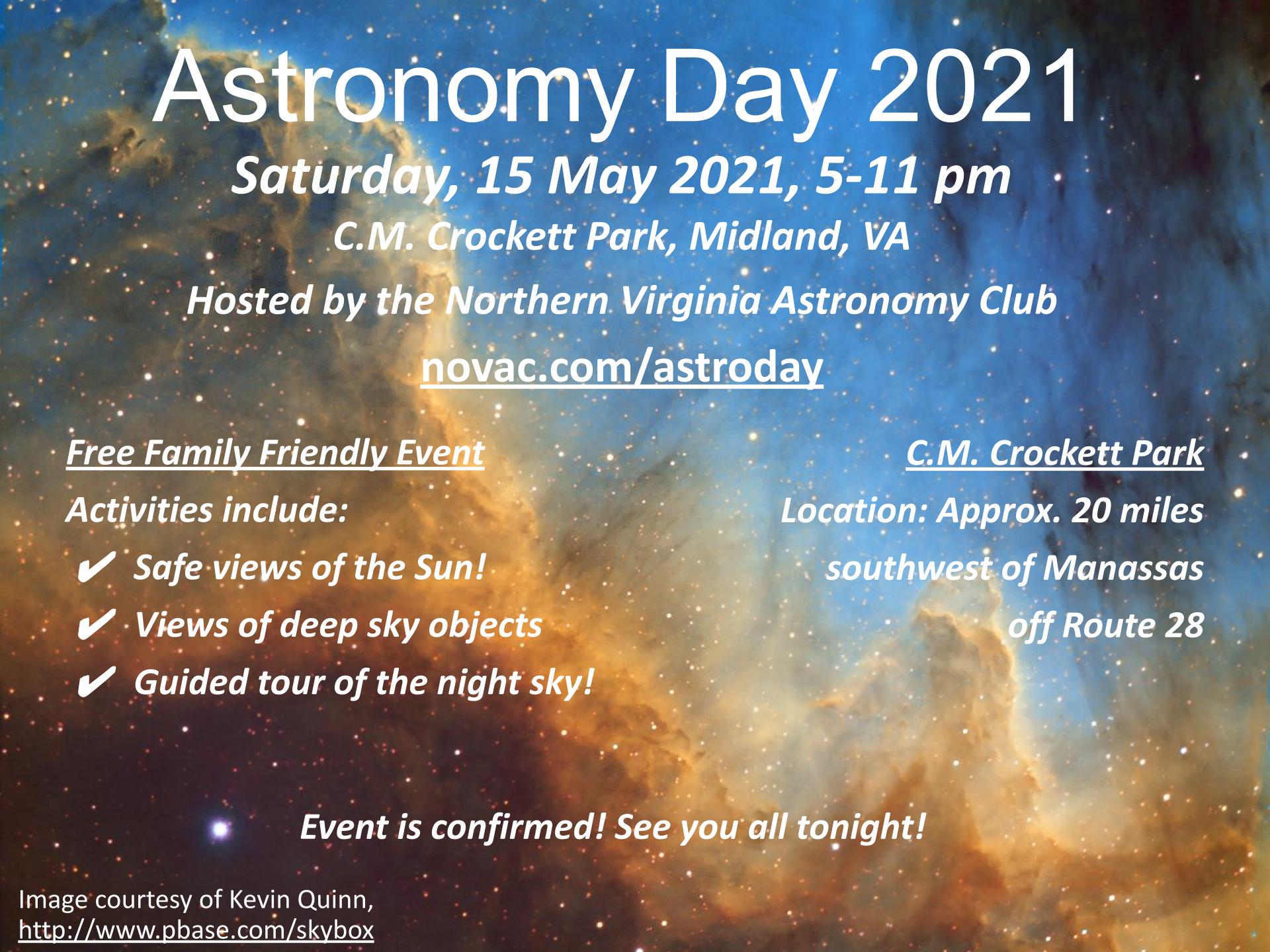
May 15 – Astronomy Day 2021
[fusion_builder_container hundred_percent=”no” equal_height_columns=”no” menu_anchor=”” hide_on_mobile=”small-visibility,medium-visibility,large-visibility” class=”” id=”” background_color=”” background_image=”” background_position=”center center” background_repeat=”no-repeat” fade=”no” background_parallax=”none” parallax_speed=”0.3″ video_mp4=”” video_webm=”” video_ogv=”” video_url=”” video_aspect_ratio=”16:9″ video_loop=”yes” video_mute=”yes” overlay_color=”” video_preview_image=”” border_color=”” Read more […]
You must be logged in to post a comment.