
Category: News
News and Updates
-
NOVAC Public Meeting, Judith Lean presents Solar Irradiance: Earth’s Energy Source, 9/8/2024, 7:30 pm EDT
Judith Lean from the Laboratory for Atmospheric and Space Physics (LASP), University of Colorado, Boulder CO and the Space Science Division, Naval Research Laboratory (NRL), Washington DC (Emeritus) will present her work related to Solar Irradiance: Earth’s energy sources. Earth’s energy emanates from the Sun, a variable star. Solar irradiance heats Earth’s surface and atmosphere, initiating myriad chemical, radiative and dynamical processes that establish Earth’s surface climate, stratospheric Read more […] -
NOVAC Public Meeting, Geoff Chester recounts his career experience at the US Naval Observatory, 8/11/2024, 7:30 pm EDT
NOVAC member Geoff Chester, who recently retired from The U.S. Naval Observatory (USNO) will talk about the mission of the USNO and his career highlights. The USNO performs an essential scientific role for the United States, the Navy, and the Department of Defense. Its mission includes determining the positions and motions of the Earth, Sun, Moon, planets, stars, and other celestial objects; providing astronomical data; determining precise time; measuring the Earth’s rotation; and maintaining Read more […] -
NOVAC Public Meeting, DSc. E.W. Cliver presents Richard Carrington and the 1859 Space Weather Event, 7/14/2024, 7:30 pm EDT
DSc. E.W. Cliver from the National Solar Observatory, Boulder, CO, will recount the life and career of Richard Christopher Carrington (1826 – 1875) and explore his pivotal relationship with Astronomer Royal George Biddell Airy. Carrington was the pre-eminent solar astronomer of the mid-19th century. During a ten year span, he determined the position of the Sun’s rotation axis and made the following discoveries: (i) the latitude variation of sunspots over the solar cycle, (ii) the Sun’s differential Read more […] -
NOVAC Public Meeting, Dr. Renee Ludlum, Extremes of the Cosmos: Neutron Stars, 6/9/2024, 7:30 pm EDT
Dr. Renee Ludlum from the Department of Physics and Astronomy, Wayne State University, will join us virtually via Google Meet to discuss Extremes of the Cosmos: Neutron Stars.Dr. Renee Ludlum Neutron stars are the densest compact objects with a surface in the Universe, yet many people have never heard of them. These objects are about twice the mass of the Sun compressed down to the size of a city. Due to their incredible density, just one tablespoon of matter from a neutron star would weigh the Read more […] -
NOVAC Public Meeting, Dr. Duncan Lorimer, Fast Radio Bursts – A Cosmic Detective Story, 5/5/2024, 7:30 pm EDT
[fusion_builder_container hundred_percent=”no” equal_height_columns=”no” hide_on_mobile=”small-visibility,medium-visibility,large-visibility” background_position=”center center” background_repeat=”no-repeat” fade=”no” background_parallax=”none” parallax_speed=”0.3″ video_aspect_ratio=”16:9″ video_loop=”yes” video_mute=”yes” border_style=”solid” flex_column_spacing=”0px” type=”legacy”][fusion_builder_row][fusion_builder_column type=”1_1″ layout=”1_1″ background_position=”left top” background_color=”” Read more […] -
NOVAC Public Meeting, Dr. Lori Feaga, Exploring Activity in Volatile-Rich Small Bodies, 4/14/2024, 7:30 pm EDT
[fusion_builder_container hundred_percent=”no” equal_height_columns=”no” hide_on_mobile=”small-visibility,medium-visibility,large-visibility” background_position=”center center” background_repeat=”no-repeat” fade=”no” background_parallax=”none” parallax_speed=”0.3″ video_aspect_ratio=”16:9″ video_loop=”yes” video_mute=”yes” border_style=”solid” flex_column_spacing=”0px” type=”legacy”][fusion_builder_row][fusion_builder_column type=”1_1″ type=”1_1″ background_position=”left top” background_color=”” Read more […] -
NOVAC Public Meeting, Dr. Dana Anderson, Investigating the Chemical Ingredients that Make Planets, 3/10/2024, 7:30pm EST
Dr. Dana Anderson from the Carnegie Institution for Science Earth and Planets Laboratory will join us in person to discuss her research exploring how planet-forming gas and dust that surrounds young stars provides insight into the early development of planets and planetary systems, including the Earth and our own solar system. Studying proto-planetary materials helps us understand where our solar system came from and how it may differ from the wide variety of extrasolar Read more […] -
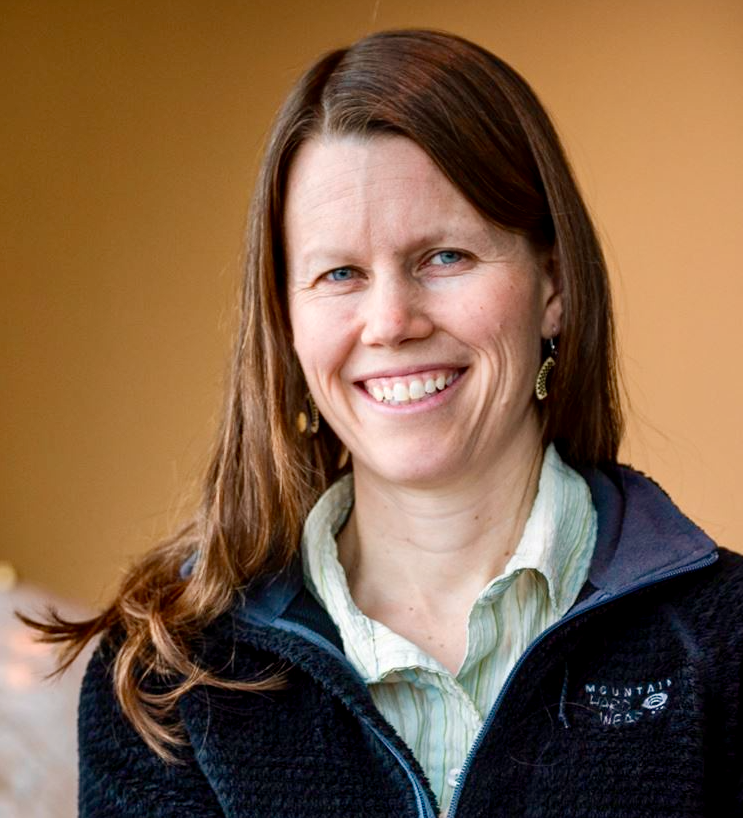
NOVAC Public Meeting, Dr. Kate Craft , Europa Clipper Mission update, 2/11/2024, 7:30pm EST
Dr. Kate Craft from the John Hopkins Applied Physics Laboratory will bring us up-to-date on the Europa Clipper mission, which will soon disembark on its journey to explore the intriguing moon Europa in the Jovian system. Dr Craft is a member of the team responsible for maximizing the scientific potential of the data that the Clipper’s instruments will measure. She is also a member of a team studying the possibility of a future crybot mission to the subsurface of Europa. Please see Dr Craft’s description Read more […] -
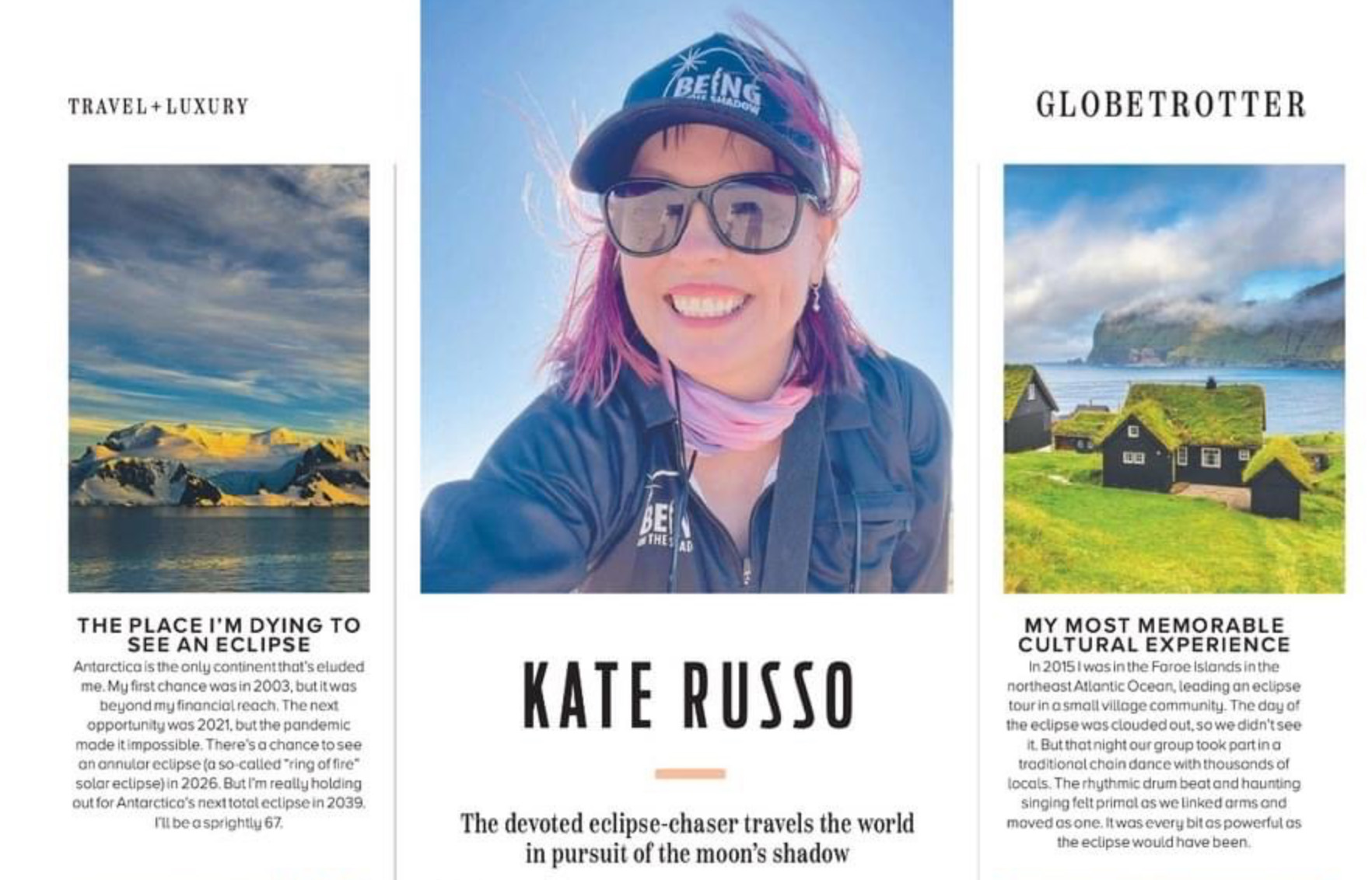
NOVAC Public Meeting, 1/14/24, 7:30pm EST
Join NOVAC as we welcome Dr. Kate Russo, eclipse chaser, astronomy enthusiast, and by profession, noted psychologist. Embark on an interesting exploration of the human psyche with Kate, founder of Being in the Shadow. With 25 years dedicated to eclipse chasing, encompassing 13 total eclipses and 3 annular eclipses, Kate brings forth a wealth of experience and narratives encapsulating the ineffable aspects of totality—awe, fear, euphoria, and connectedness. Kate introduces her latest research endeavor, Read more […] -
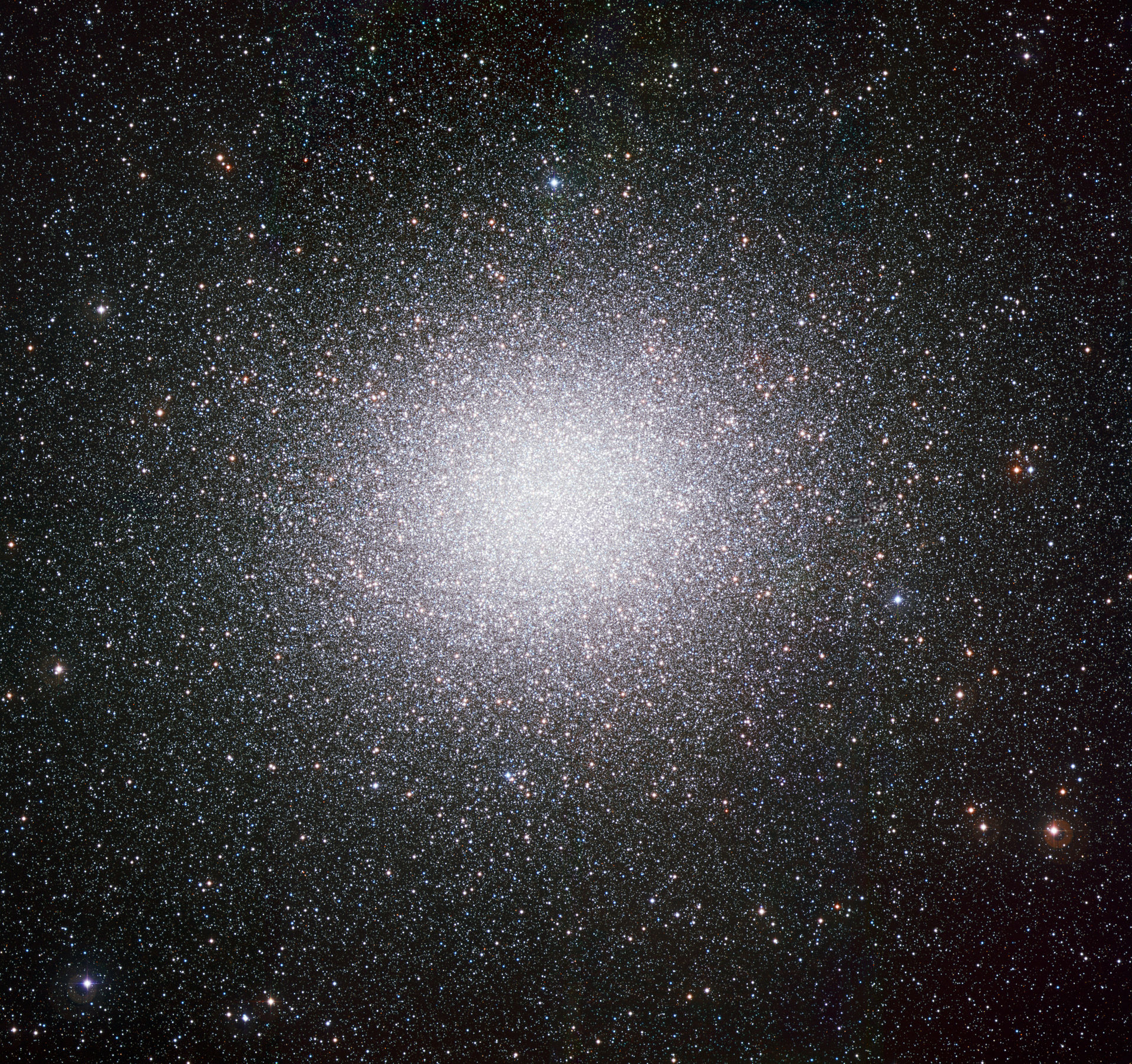
Observing Omega Centauri by John Raymond
Introduction What is Omega Centauri? It is a globular cluster located in the southern constellation Centaurus. It is the brightest globular , but not easy to see in Virginia due to its low elevation. With proper timing Omega can be viewed given good transparency. https://en.wikipedia.org/wiki/Omega_Centauri Observation This morning the skies were finally clear again. It was cool and breezy with no frost. I went out around 5:30 AM. There is a fortunate gap in the trees Read more […]
You must be logged in to post a comment.