
Category: Home
-
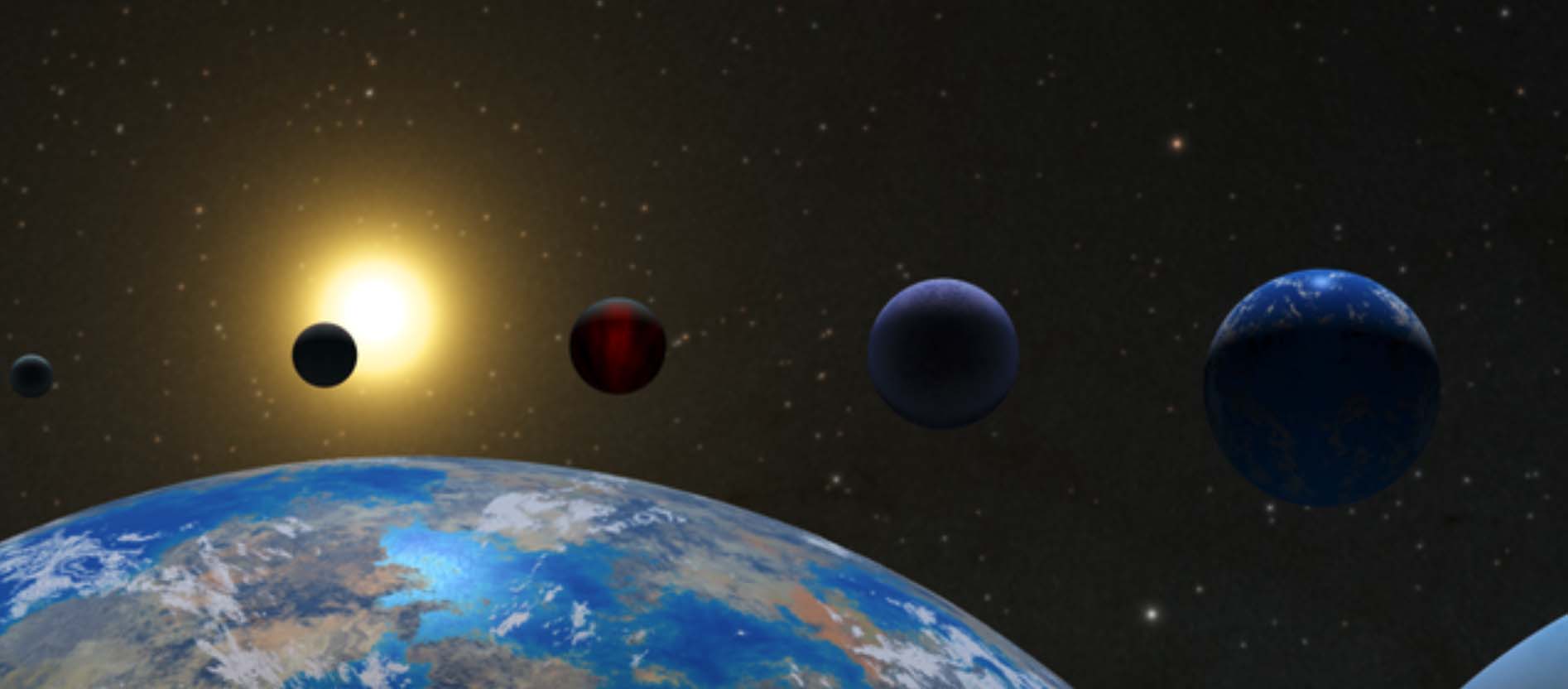
Public Monthly Meeting – Planets Big and Small
Planets outside of our solar system look nothing like our own, with most of these detected exoplanets falling right in between the size of the Earth and Neptune. How can we understand such differences? Join NOVAC and Dr. Eve Lee for a virtual discussion on Sunday, July 10 at 7:30pm EDT. Eve Lee, Ph.D. Sunday, July 10, 2022 7:30 PM to 9:00 PM EST Online event meet.google.com/osh-bcyd-gti Monthly Meeting – Public Invited Abstract: Planets in our solar system can Read more […] -
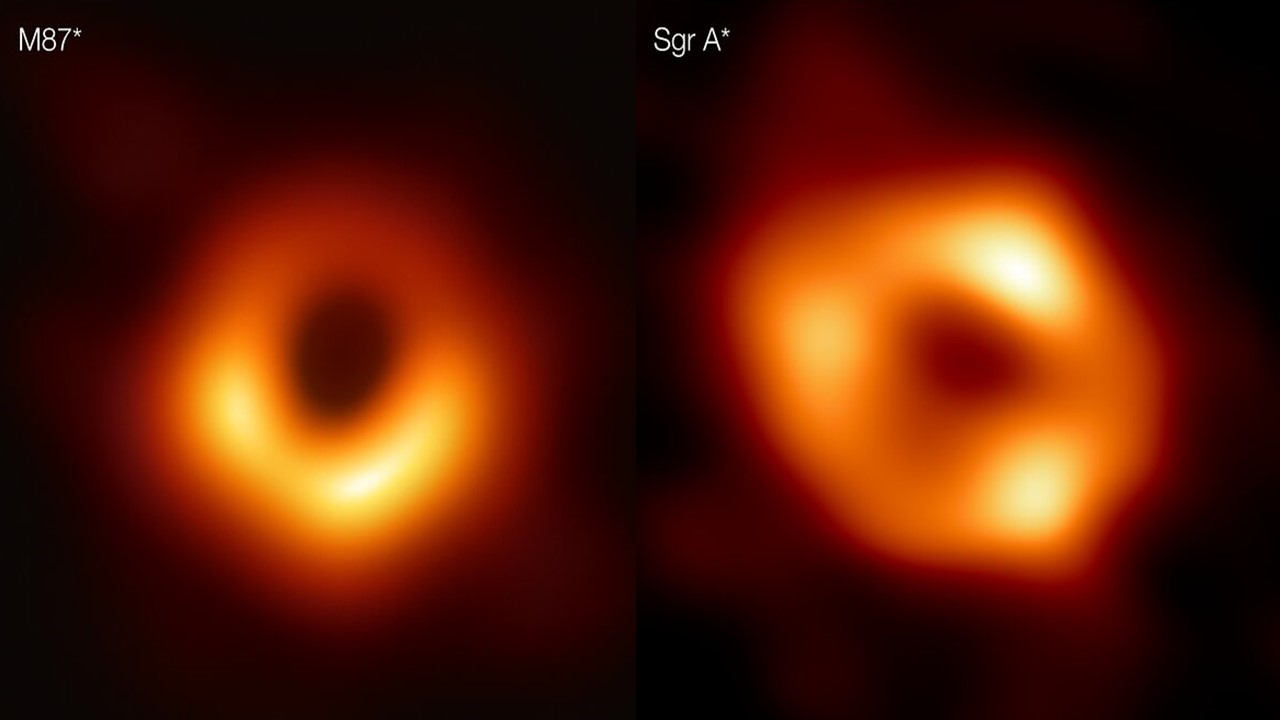
Public Monthly Meeting – Supermassive Black Holes at the Center of M87 and Milky Way Galaxies: What We Learn
Public Monthly Meeting – Supermassive Black Holes at the Center of M87 and Milky Way: What We Learn Razieh Emami, Ph.D. Sunday, June 12, 2022 7:30 PM to 9:00 PM EST Online event meet.google.com/osh-bcyd-gti Monthly Meeting – Public Invited Abstract: The most recent resolved images of Supermassive Black Holes (SMBHs) at the center of M87 (SMBH: M87*) as well as the Milky Way (SMBH: SgrA*) by the Event Horizon Telescope Collaboration (EHTC) has Read more […] -
Vacation Viewing – Seeing the night sky in Utah’s National Parks
Last year my wife and I took a trip to Utah to visit several of the amazing National Parks in the Beehive State (fun fact – Utah’s state star cluster is, you guessed it, the beehive cluster). While hiking was the primary purpose of the trip, I knew the dark skies and desert scenery would make for some amazing views of the night sky. I was not disappointed. There is nothing quite like seeing the stars under a Bortle-2 sky (well, maybe a Bortle-1 sky). Knowing that I would be hiking to many of Read more […] -
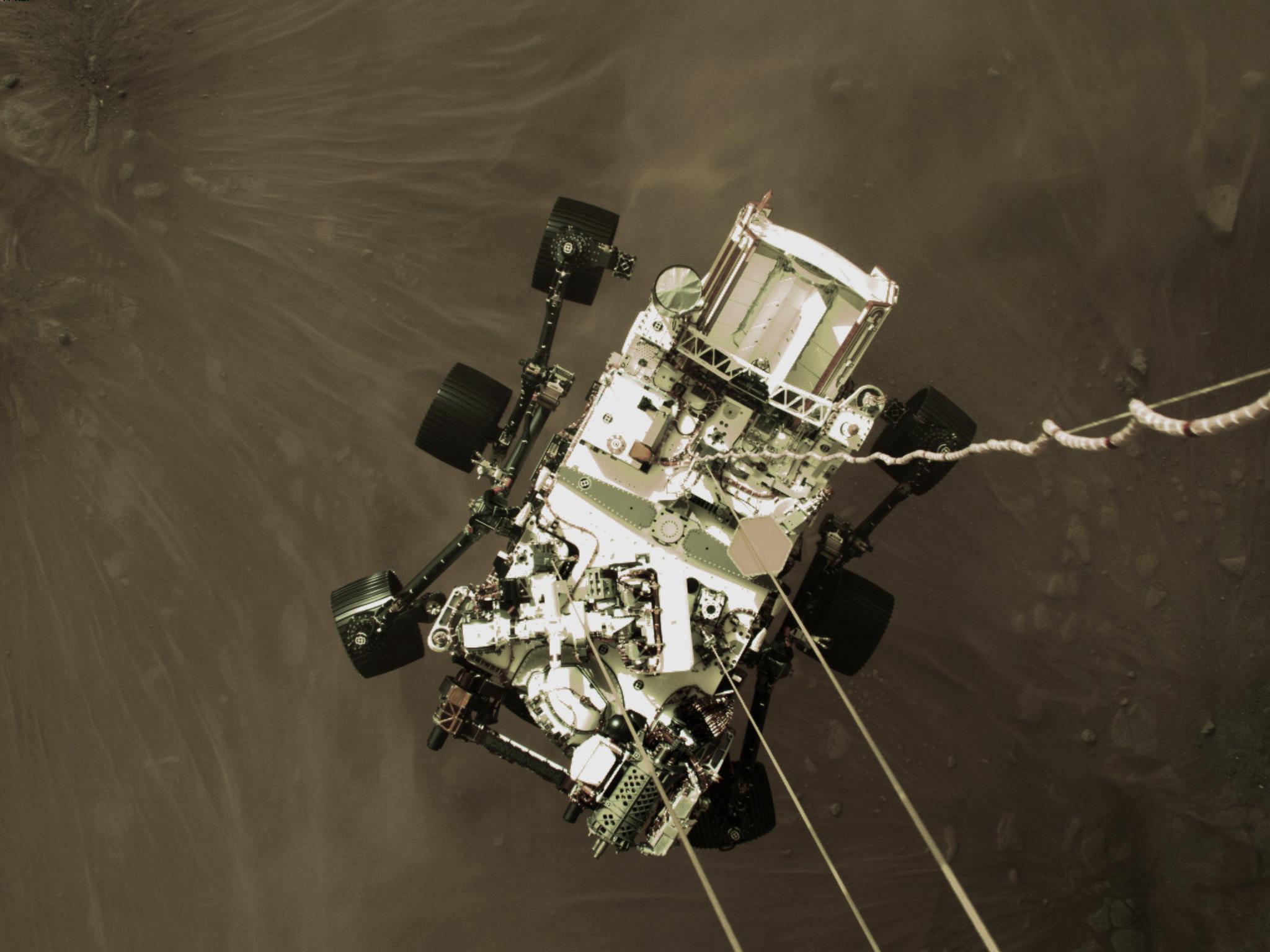
May 15 – Public Monthly Meeting – Mars 2020 Perseverance Rover: From Launch to Landing
Mars 2020 Perseverance Rover: From Launch to Landing Swati Mohan, Ph.D. Sunday, May 15, 2022 7:30 PM to 9:00 PM EST Online event meet.google.com/osh-bcyd-gti Monthly Meeting – Public Invited Abstract: The Mars 2020 mission was created to build off of the discoveries of its predecessors. The previous 4 rovers had found the building blocks for life on Mars. The Mars 2020 perseverance rover is the most advanced rover of the set, with each upgrade carefully Read more […] -
My First Year With NOVAC
I joined NOVAC almost a year ago now. As the first anniversary of my membership comes up, I thought it would be interesting to reflect on what I’ve done in this first year. If you’re thinking of joining NOVAC, I hope this will give you a glimpse into just some of the things you can do with the club. When I first joined NOVAC in 2021, I was like many new members. I had spent some time looking at the night sky and even used an app on my phone to figure out the names of some of the stars, but Read more […] -
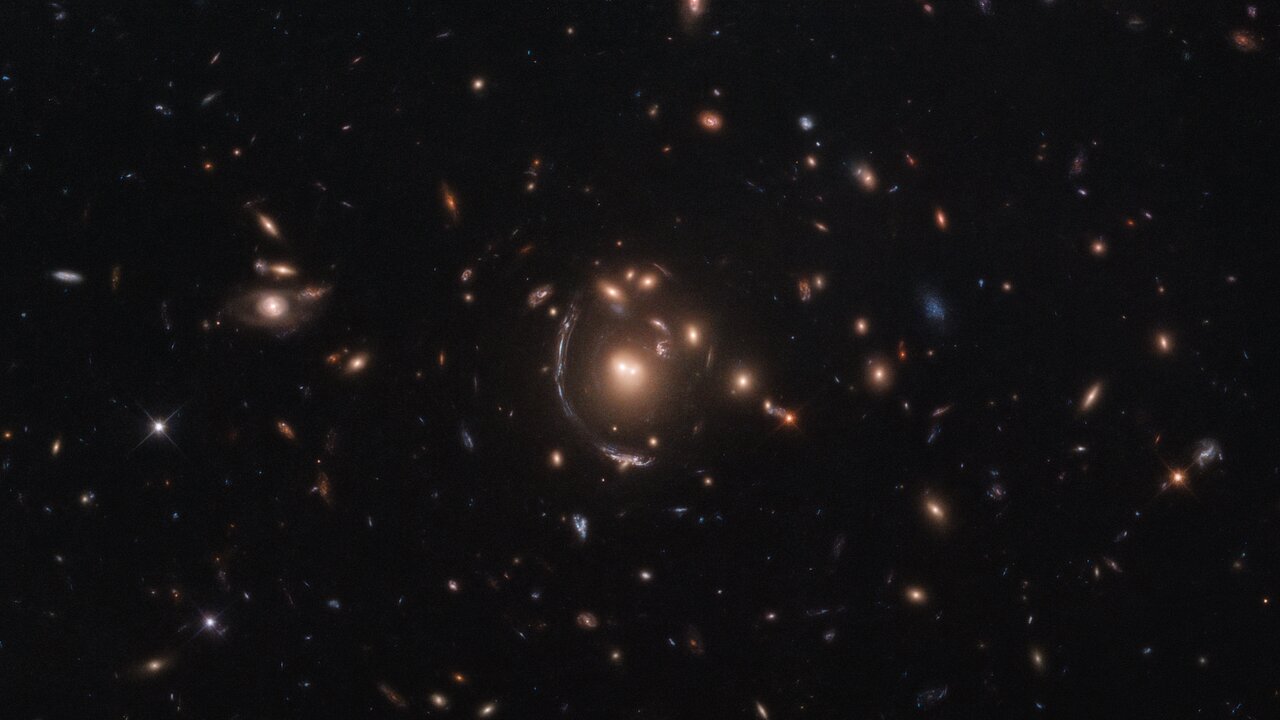
April 10 – Public Monthly Meeting – How to Measure Velocities of Distant Galaxy Clusters, and Why
How to Measure Velocities of Distant Galaxy Clusters, and Why Arthur Kosowsky, Ph.D. Sunday, April 12, 2022 7:30 PM to 9:00 PM EST Online event meet.google.com/osh-bcyd-gti Monthly Meeting – Public Invited Abstract: Galaxy clusters are the most massive gravitationally bound objects in the universe. Their hot ionized gas scatters photons of the cosmic microwave background, creating a microwave spectrum distortion (called the Thermal Sunyaev-Zeldovich Effect) which Read more […] -
March 13 – Public Monthly Meeting – Improving the Performance of Your Imaging Mount
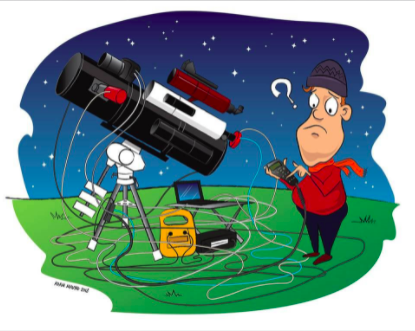
Improving the Performance of Your Imaging Mount In this presentation, Eric will share his experience on improving the performance of equatorial mounts, a critical and expensive component of astrophotography systems. He will start with the basics of operation and cover the common sources of tracking errors found in lower- to moderately-priced systems. Eric will then present a strategy to minimize these errors by using “hypertuning” and optimized guiding. The presentation Read more […] -
February 20 – Public Monthly Meeting – Wild and Wonderful Space Volcanoes!
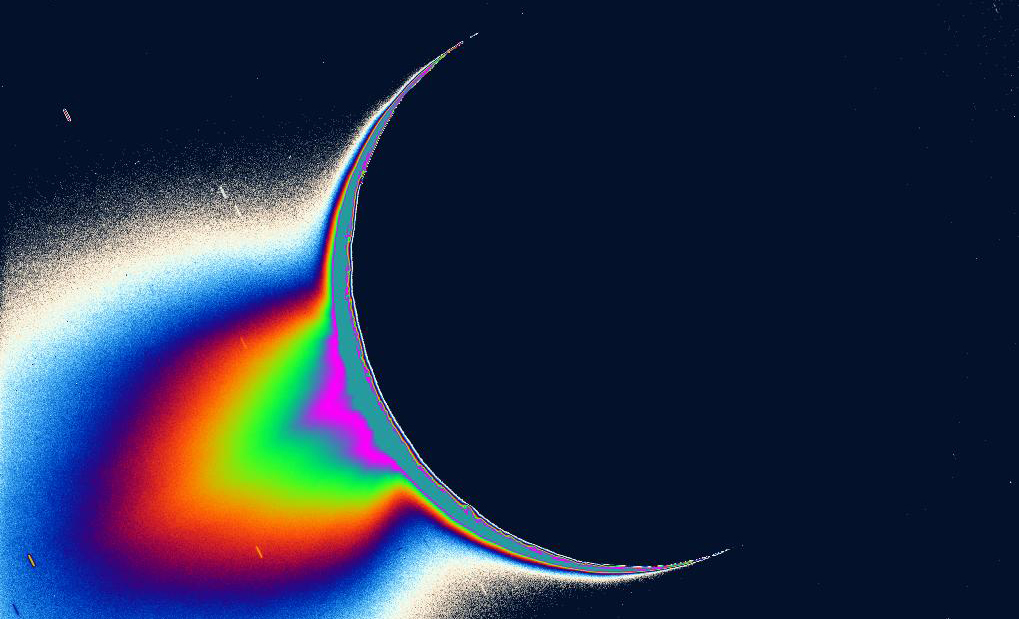
Wild and Wonderful Space Volcanoes! How are there many different types of volcanoes in our Solar System? How do these volcanoes form and evolve? We’ll explore the marvelous volcanic wonders of the Solar System by deep diving into how they behave and form from different planetary materials, including the mysteries of cryovolcanism! Caitlin Ahrens, Ph.D. Sunday, February 20, 2022 7:30 PM to 9:00 PM EST Online event meet.google.com/osh-bcyd-gti Monthly Read more […] -
January 9 – Public Monthly Meeting – Two Eyes are Better than One
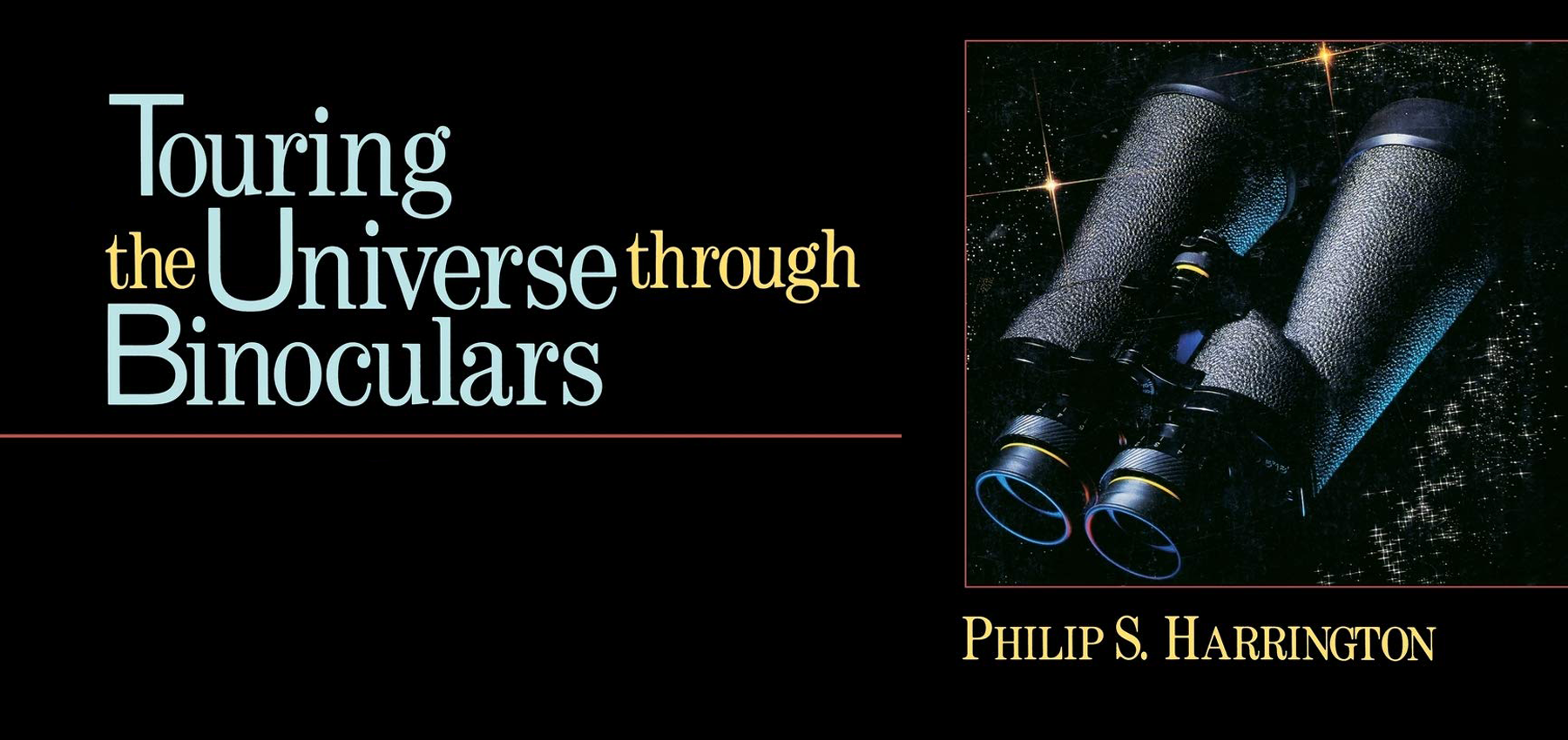
Two Eyes are Better than OnePhilip S. Harrington, FRASAstronomy Author/EducatorContributing editor, Astronomy magazineSunday, January 9, 20227:30 PM to 9:00 PM ESTOnline eventhttps://meet.google.com/osh-bcyd-gtiMonthly Meeting – Public Invited Abstract:Binoculars are NOT just for beginners, as this talk will stress. After various binocular-related terms are defined, Phil Harrington will offer consumer tips to help the audience weed out astronomically worthy binoculars from a vast ocean of models Read more […] -
December 12 – Public Monthly Meeting – How to Optimize your Astrophotography Setup
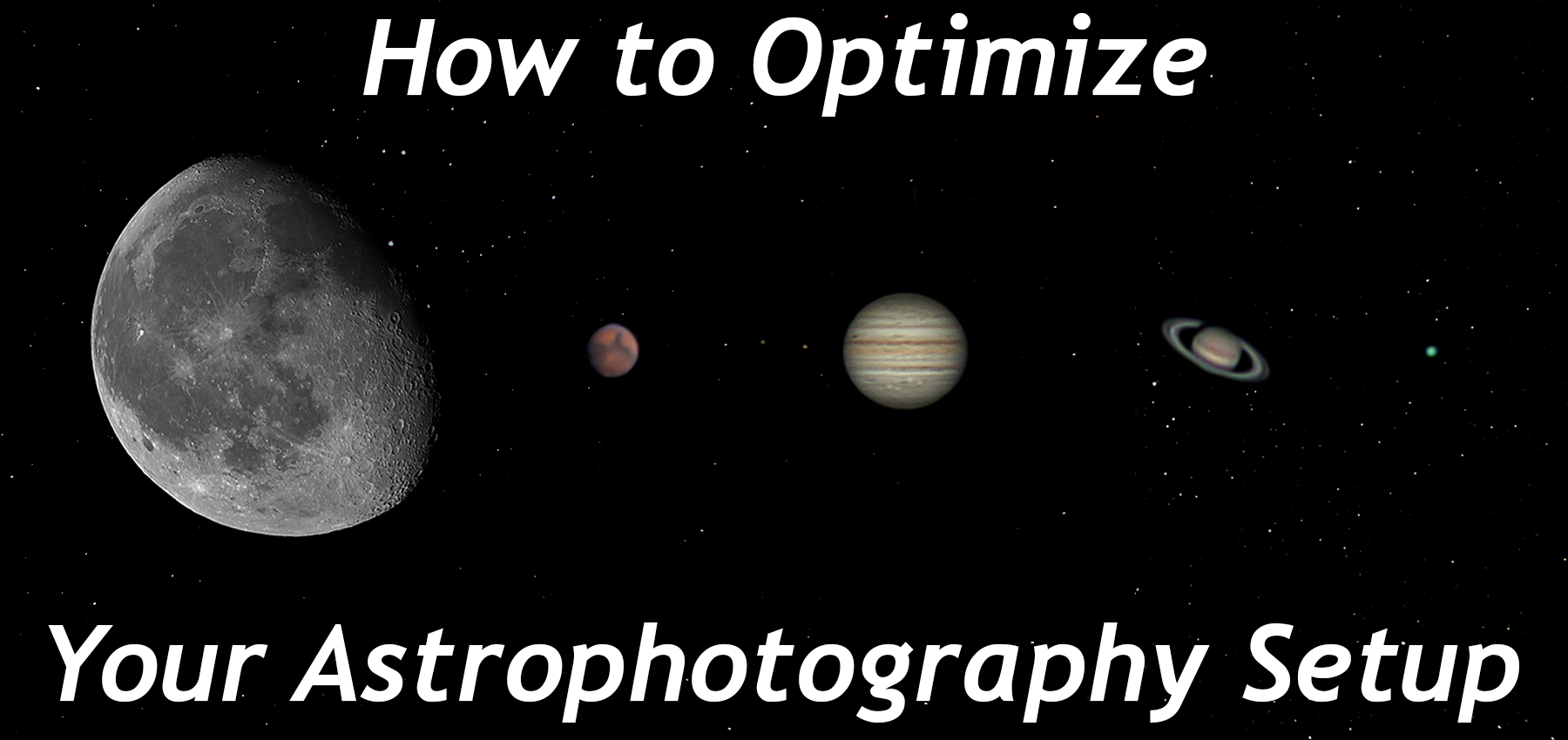
How to Optimize your Astrophotography Setup Dr. Thomas B. Fowler Sunday, December 12, 2021 7:30 PM to 9:00 PM EST Online event meet.google.com/osh-bcyd-gti Monthly Meeting – Public Invited Abstract: Amateur astronomers know too well that using a $400 Tele Vue eyepiece with a $100 telescope would be a waste of money and the capabilities of the Tele Vue. It would work, but for $500 a much better optical train could be assembled. Similarly, any attempt to get 300x out of a 60mm Read more […]
You must be logged in to post a comment.