
Author: Evan Ryder
-
Public Monthly Meeting – Planets Big and Small
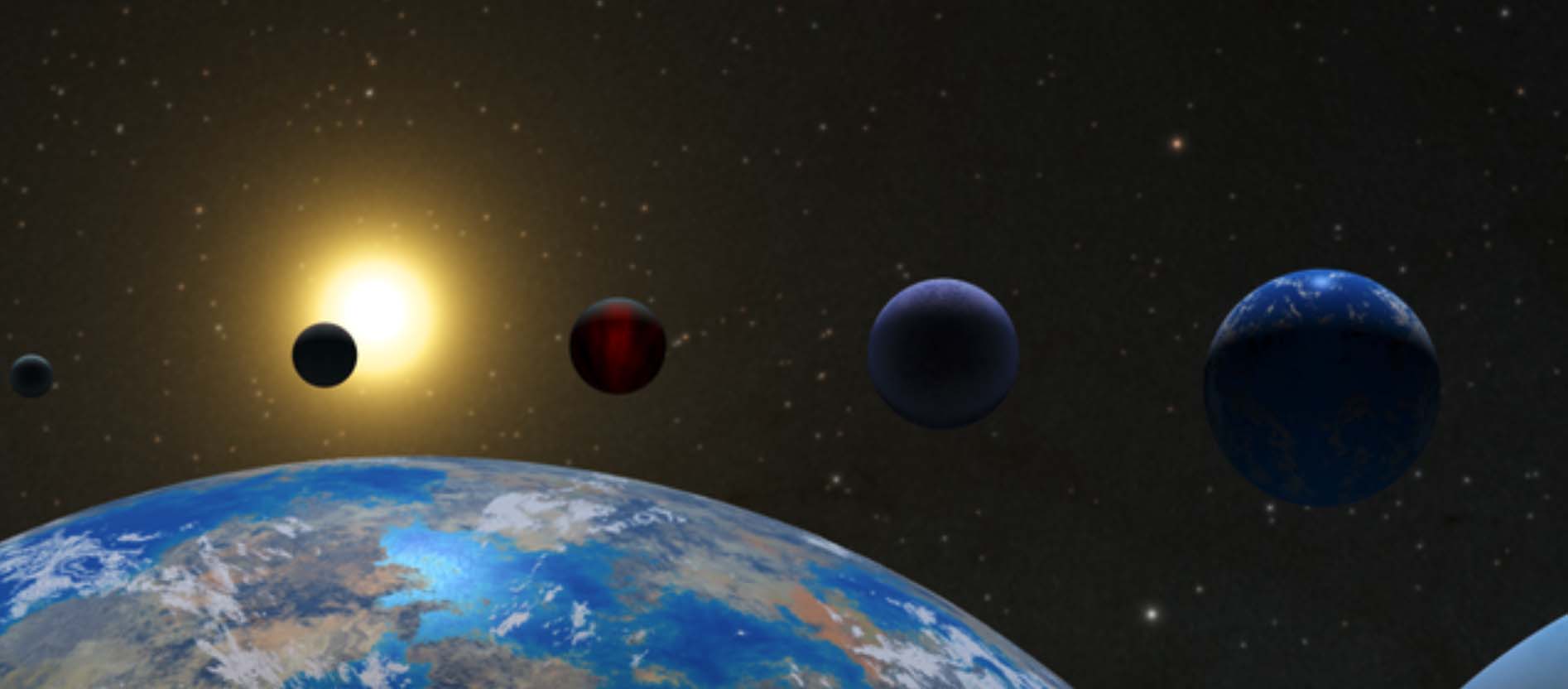
Planets outside of our solar system look nothing like our own, with most of these detected exoplanets falling right in between the size of the Earth and Neptune. How can we understand such differences? Join NOVAC and Dr. Eve Lee for a virtual discussion on Sunday, July 10 at 7:30pm EDT. Eve Lee, Ph.D. Sunday, July 10, 2022 7:30 PM to 9:00 PM EST Online event meet.google.com/osh-bcyd-gti Monthly Meeting – Public Invited Abstract: Planets in our solar system can Read more […] -
Public Monthly Meeting – Supermassive Black Holes at the Center of M87 and Milky Way Galaxies: What We Learn
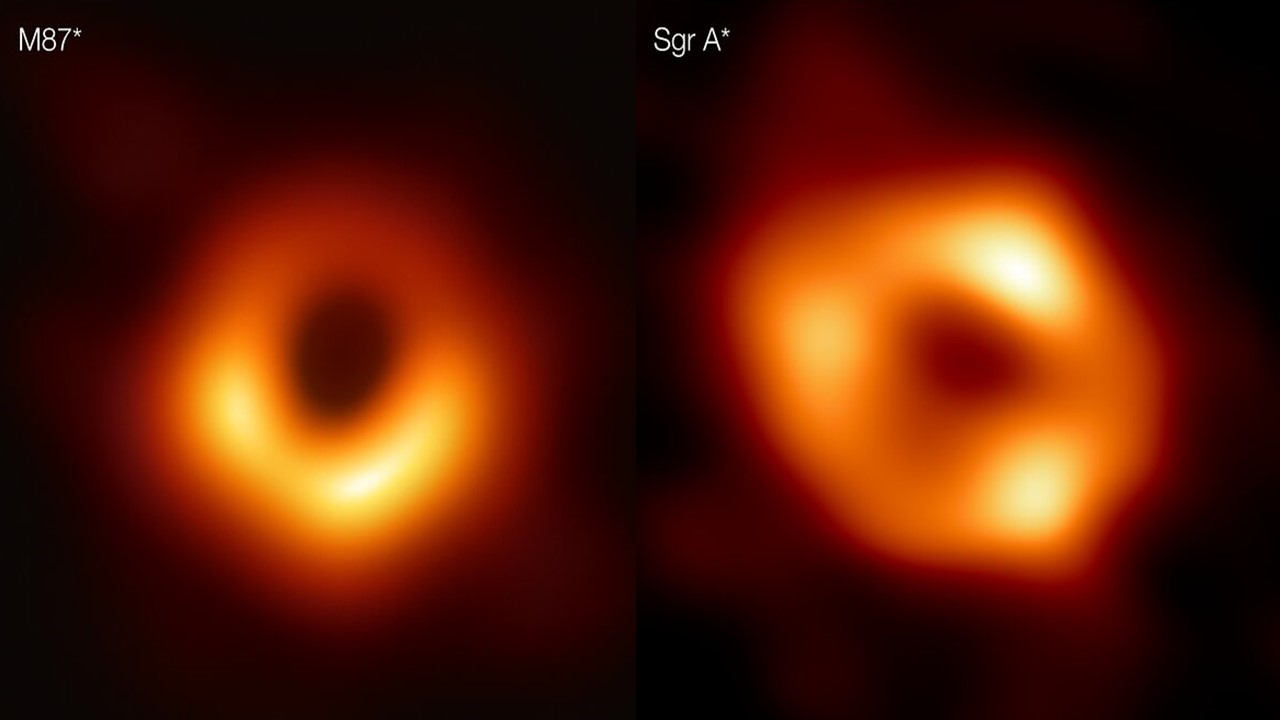
Public Monthly Meeting – Supermassive Black Holes at the Center of M87 and Milky Way: What We Learn Razieh Emami, Ph.D. Sunday, June 12, 2022 7:30 PM to 9:00 PM EST Online event meet.google.com/osh-bcyd-gti Monthly Meeting – Public Invited Abstract: The most recent resolved images of Supermassive Black Holes (SMBHs) at the center of M87 (SMBH: M87*) as well as the Milky Way (SMBH: SgrA*) by the Event Horizon Telescope Collaboration (EHTC) has Read more […] -
This Week In Space – 24 April 2022
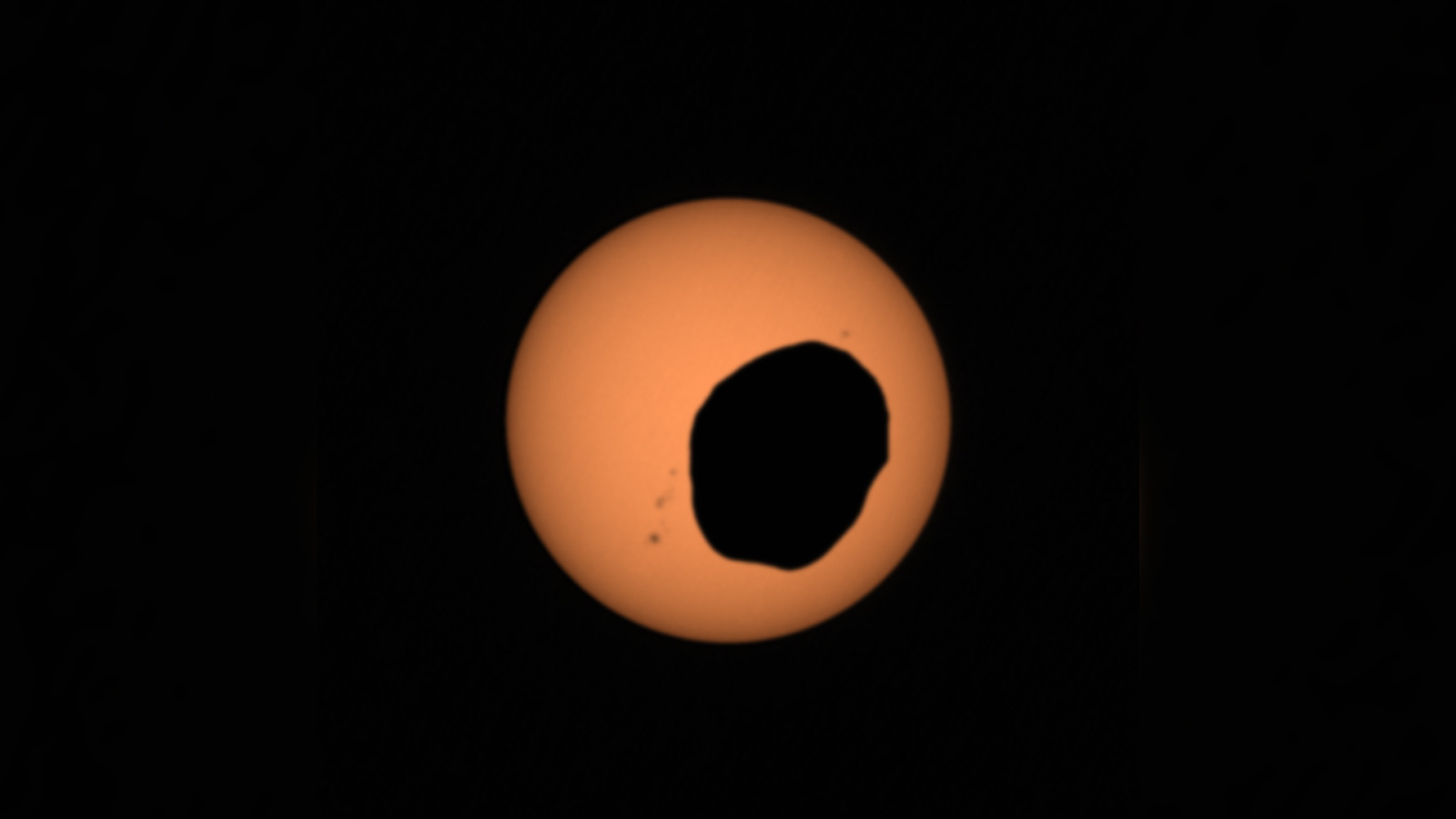
Planetary Science, Astrobiology, Asteroids and Rockets – all this and more in NOVAC’s weekly roundup: This Week In Space. The National Academies of Sciences has released its once-a-decade report. Origins, Worlds, and Life, A Decadal Strategy for Planetary Science and Astrobiology 2023 – 2032 summarizes the state of the field of planetary science and outlines major questions facing the community. Per the report, the top priority should be to complete Mars Sample Read more […] -
This Week In Space – 17 April 2022
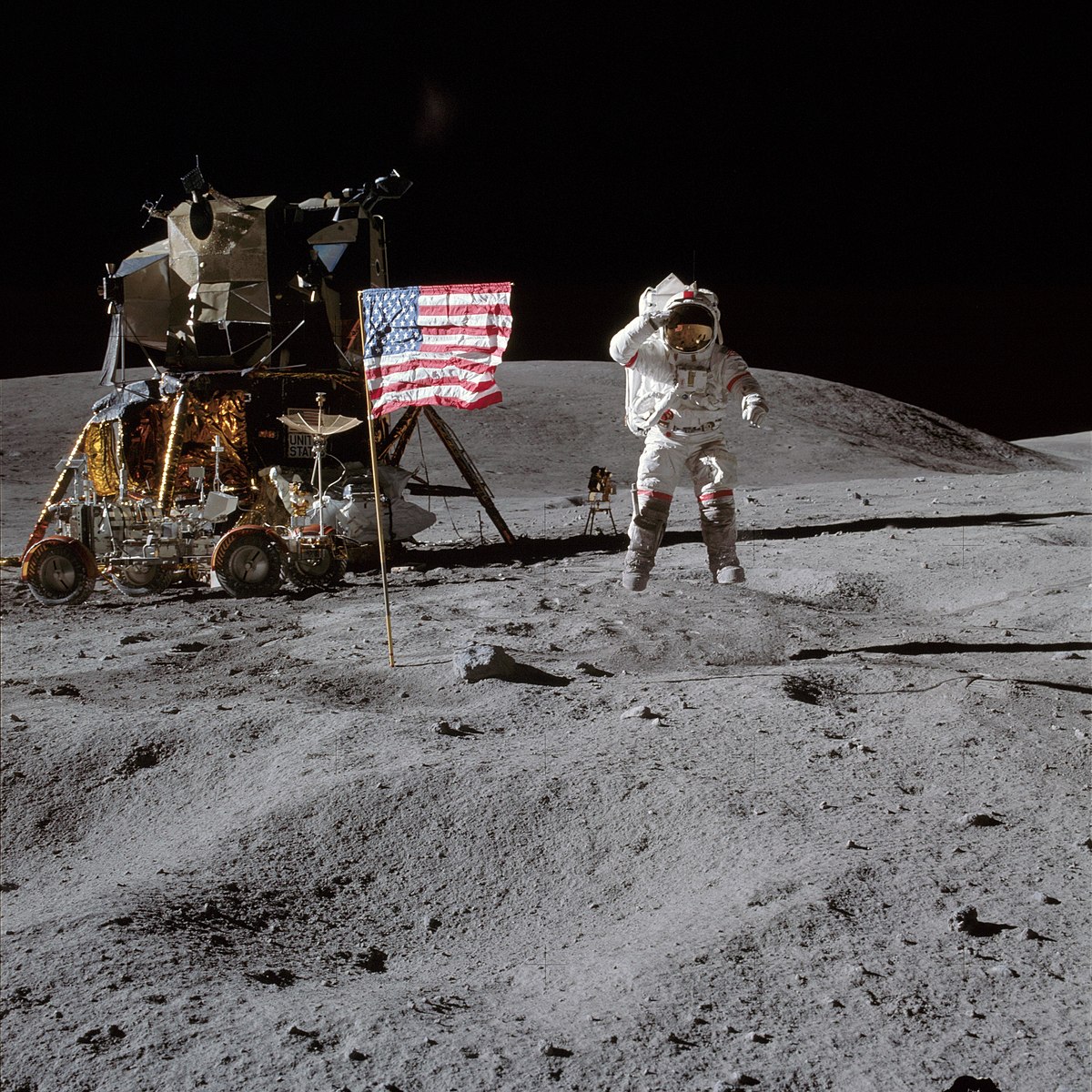
Flying to the moon in 1972, Flying to the moon in 2022, big comets, and private flights – all this and more in NOVAC’s first weekly roundup: This Week In Space. April 16th marked the 50th anniversary of the launch of Apollo 16, the fifth manned mission to the moon and the second of the Apollo “J missions.” J missions included more time on the moon and more of the moon itself – these missions included use of the Lunar Roving Vehicle, or LRV for short. After landing Lunar Read more […] -
March 13 – Public Monthly Meeting – Improving the Performance of Your Imaging Mount
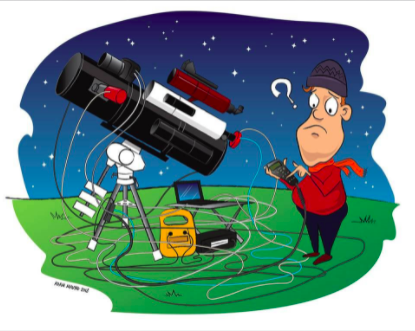
Improving the Performance of Your Imaging Mount In this presentation, Eric will share his experience on improving the performance of equatorial mounts, a critical and expensive component of astrophotography systems. He will start with the basics of operation and cover the common sources of tracking errors found in lower- to moderately-priced systems. Eric will then present a strategy to minimize these errors by using “hypertuning” and optimized guiding. The presentation Read more […] -
February 20 – Public Monthly Meeting – Wild and Wonderful Space Volcanoes!
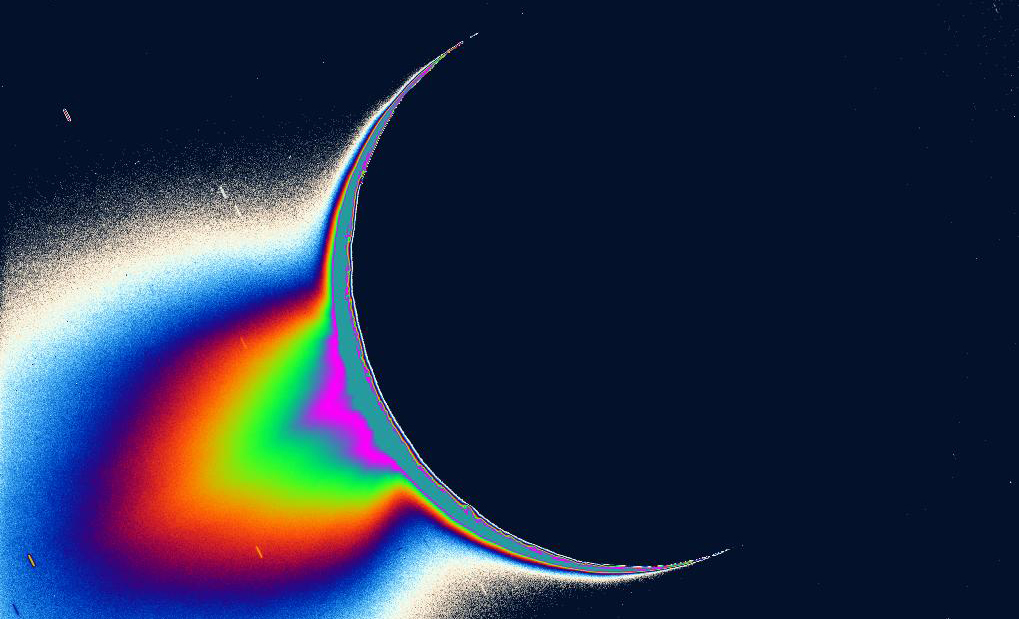
Wild and Wonderful Space Volcanoes! How are there many different types of volcanoes in our Solar System? How do these volcanoes form and evolve? We’ll explore the marvelous volcanic wonders of the Solar System by deep diving into how they behave and form from different planetary materials, including the mysteries of cryovolcanism! Caitlin Ahrens, Ph.D. Sunday, February 20, 2022 7:30 PM to 9:00 PM EST Online event meet.google.com/osh-bcyd-gti Monthly Read more […] -
December 12 – Public Monthly Meeting – How to Optimize your Astrophotography Setup
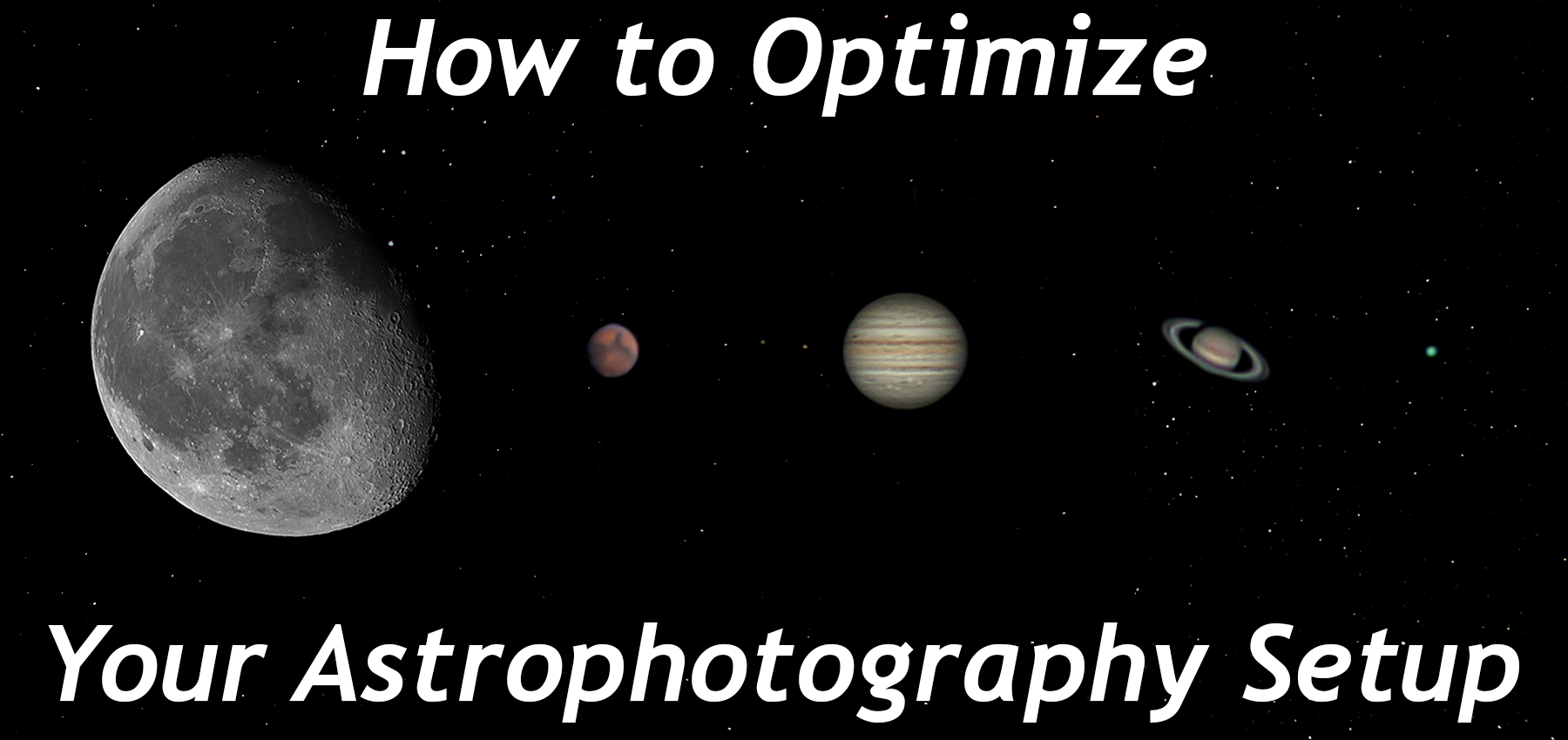
How to Optimize your Astrophotography Setup Dr. Thomas B. Fowler Sunday, December 12, 2021 7:30 PM to 9:00 PM EST Online event meet.google.com/osh-bcyd-gti Monthly Meeting – Public Invited Abstract: Amateur astronomers know too well that using a $400 Tele Vue eyepiece with a $100 telescope would be a waste of money and the capabilities of the Tele Vue. It would work, but for $500 a much better optical train could be assembled. Similarly, any attempt to get 300x out of a 60mm Read more […] -
October 30 – Star Gaze 2021
[fusion_builder_container hundred_percent=”no” equal_height_columns=”no” menu_anchor=”” hide_on_mobile=”small-visibility,medium-visibility,large-visibility” class=”” id=”” background_color=”” background_image=”” background_position=”center center” background_repeat=”no-repeat” fade=”no” background_parallax=”none” parallax_speed=”0.3″ video_mp4=”” video_webm=”” video_ogv=”” video_url=”” video_aspect_ratio=”16:9″ video_loop=”yes” video_mute=”yes” overlay_color=”” video_preview_image=”” border_color=”” Read more […] -
September 12 – Public Monthly Meeting – Astronomy with X-rays: How, Where, and Most Importantly Why?
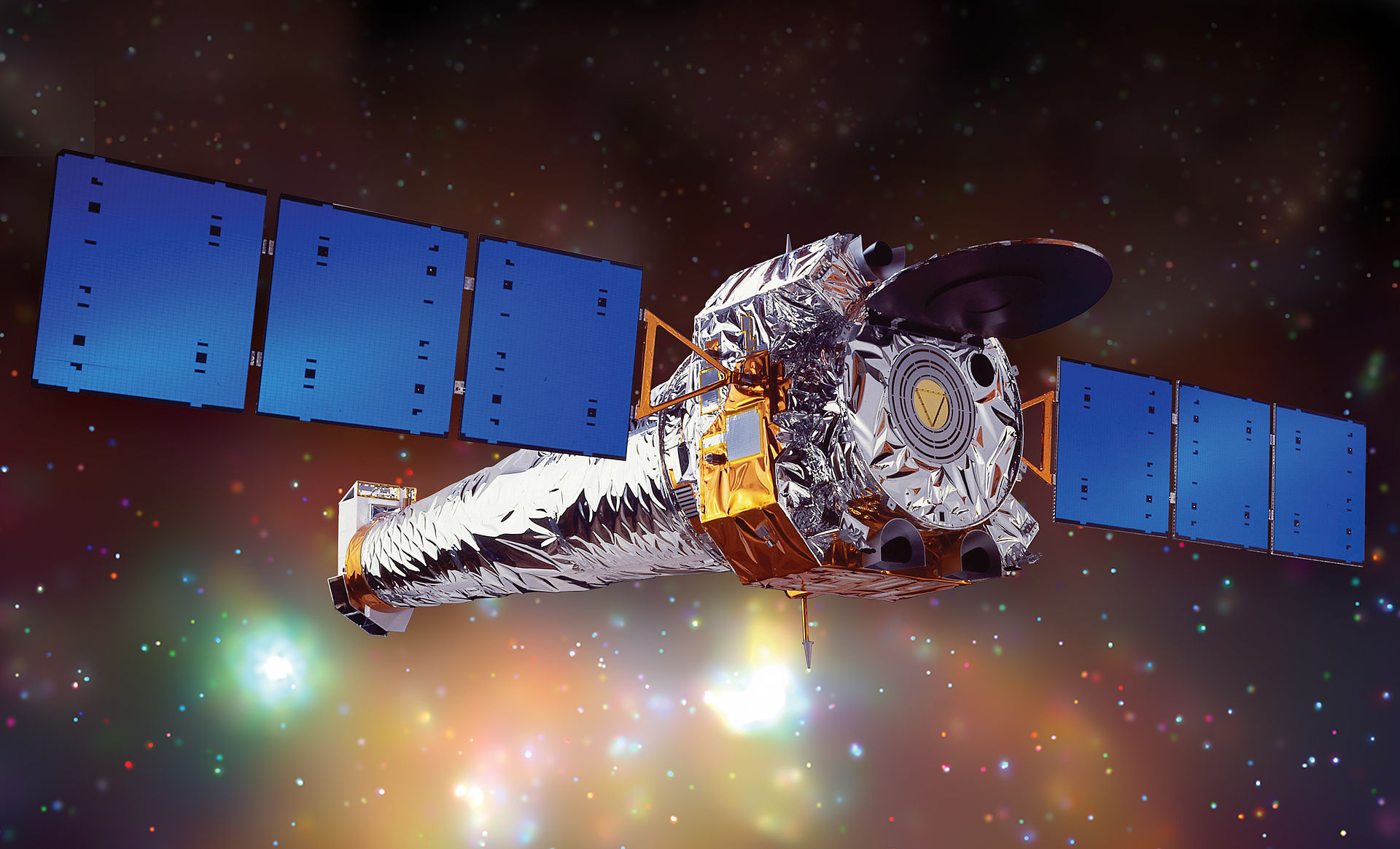
Astronomy with X-rays: How, Where, and Most Importantly Why? Dr. Randall Smith Sunday, September 12, 2021 7:30 PM to 9:00 PM EST Online event meet.google.com/osh-bcyd-gti Monthly Meeting – Public Invited Abstract: X-ray astronomy began in 1962 when Riccardo Giacconi and his team launched a sounding rocket with an X-ray detector designed to look at the Moon – and unexpectedly found a far brighter source in Scorpius they called Sco X-1. Generating X-rays requires energetic processes – big Read more […] -
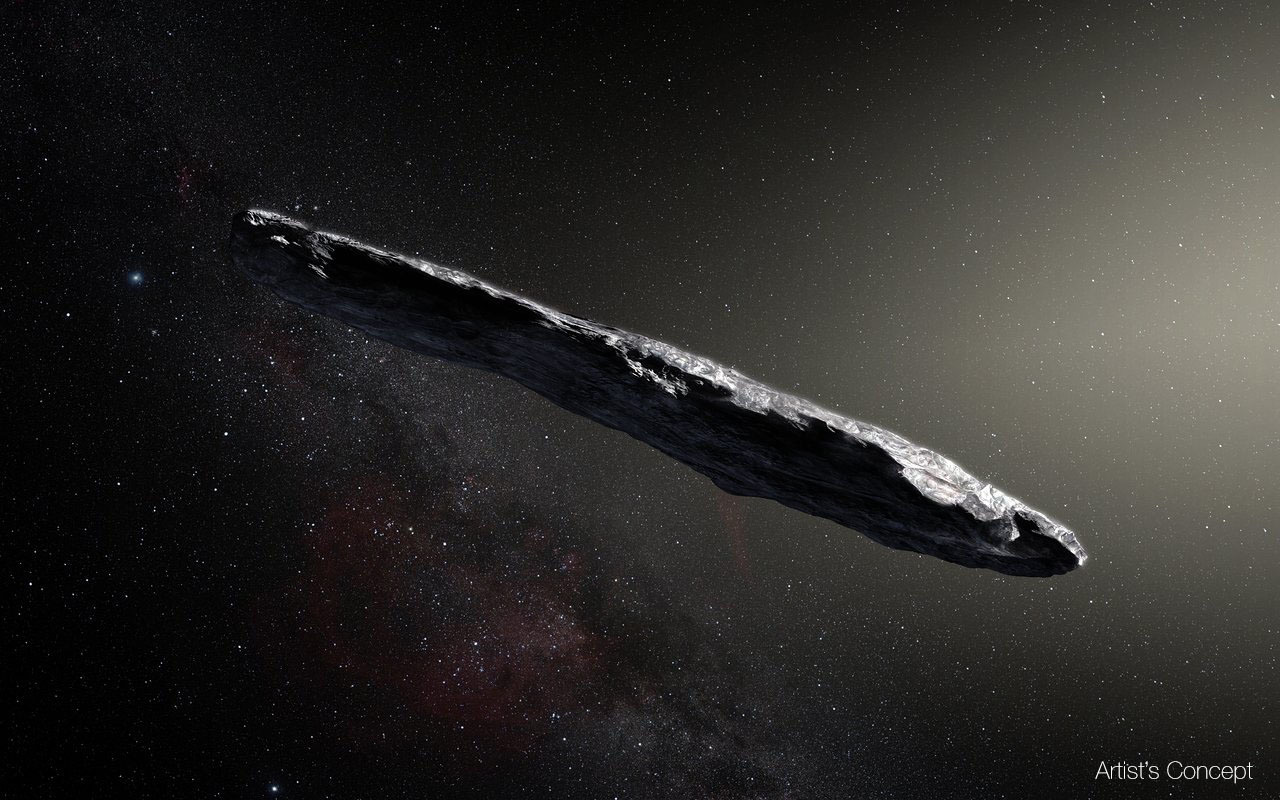
June 13 – Public Monthly Meeting – ‘Oumuamua: Our Solar System’s First Known Interstellar Visitor
‘Oumuamua – Our Solar System’s First Known Interstellar Visitor The discovery of ‘Oumuamua (1I/2019/U1) represented our first detection of a solar system object with an origin that was definitely outside of our solar system. Its name comes from Hawaiian meaning “first messenger from afar” yet deciphering its message has proved difficult and controversial. ‘Oumuamua was discovered by the Pan-STARRS telescope at the Haleakala Observatory in Hawaii on October 19, 2017, when it had already Read more […]